


Key takeaway: perineal massage, practiced from the 34th week, softens tissues to reduce the risk of episiotomy by 15%. By massaging for five minutes a day with a neutral oil, you become accustomed to pressure sensations and gain confidence. It's a simple act that preserves physical integrity and facilitates a more serene postpartum recovery.
Practicing perineal massage from the 34th week of pregnancy helps to reduce the need for episiotomy by 15% during childbirth.
However, the idea of manipulating this intimate area can be intimidating or cause some legitimate apprehension. I will help you to master the right techniques and choose suitable oils to prepare your body with complete peace of mind.
- Why perineal massage is your best ally before childbirth
- 4 steps to properly prepare your massage session at home
- Practical guide to pain-free perineal massage
- How to maintain your pelvic tone after birth?
Why perineal massage is your best ally before childbirth
Perineal massage, started from the 34th week, softens muscle tissues to reduce the risk of episiotomy by 15%. This daily five-minute practice prepares you physically and mentally for the sensations of intense pressure during expulsion.
Moving from theory to practice requires understanding how your muscles react concretely.
Soften tissues to limit tearing and episiotomy
The pelvic floor muscles play a major role during pushing. They must stretch intensely to allow your baby's head to pass through. It's an impressive physical effort.
Manual softening reduces the natural resistance of your tissues. Thanks to massages, the fibers become more elastic. This limits trauma during passage. Your skin gains real suppleness.
This preparation reduces the need for surgical procedures. By softening this area, you limit the risk of episiotomy. Also, consider your future comfort, as with teething later on.
Preserving your physical integrity is a priority. It's a valuable gain for your recovery.
Gain confidence and become accustomed to the sensations of expulsion
Massage has a strong psychological dimension. Massaging yourself helps you to better understand your intimate anatomy. This effectively reduces anxiety about the unknown of D-day.
You become familiar with intense stretching. This teaches you not to tense up when the pressure increases. It's a direct, concrete, and truly effective sensory training.
The link between mental relaxation and muscle release is close. A serene mind promotes the opening of the pelvis. Your body naturally follows your deep intention to let go.
Learning to listen to your body also helps to better understand and soothe baby's cries after birth.
4 steps to properly prepare your massage session at home
Once the benefits are understood, it is necessary to organize concretely so that this moment remains pleasant and effective on a daily basis.
Choose the right time and oils adapted to your skin
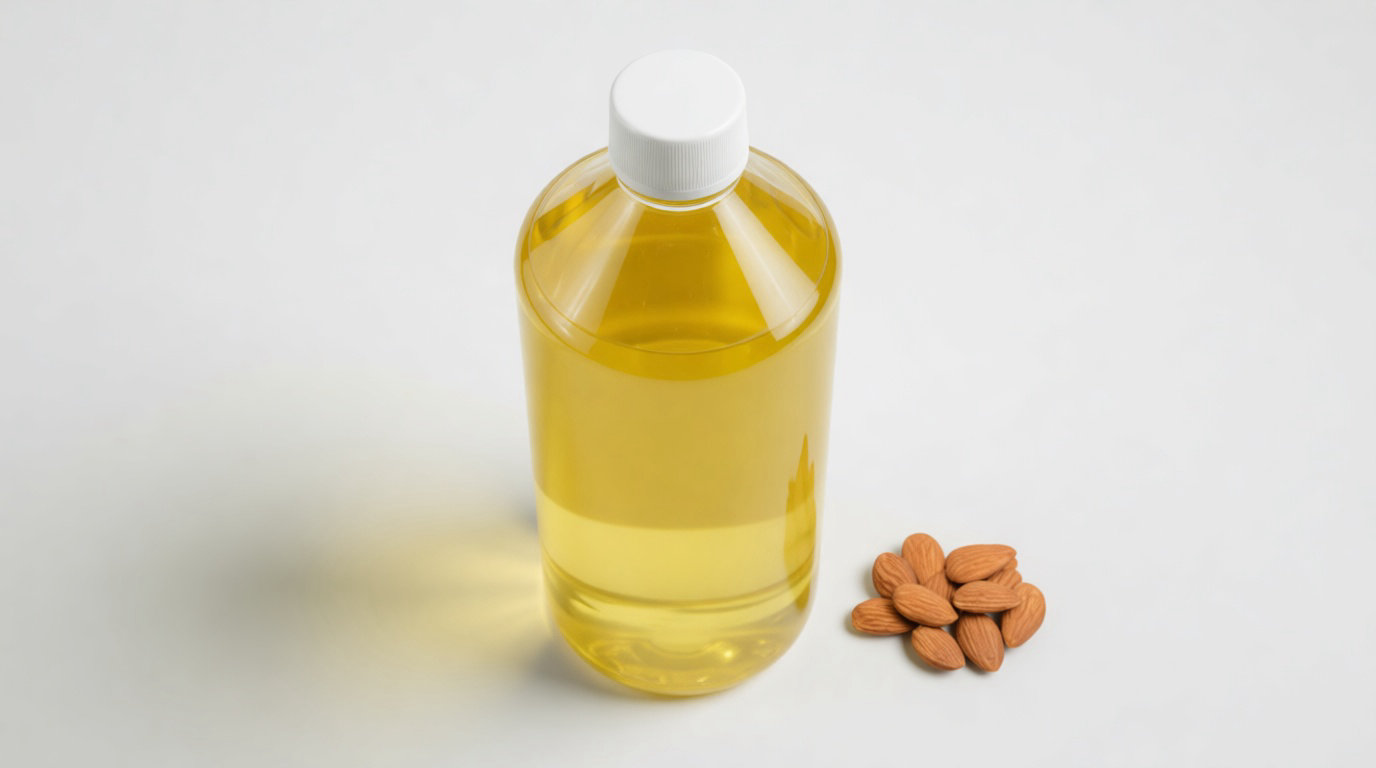
Opt for a neutral oil such as sweet almond or organic sunflower. These natural options nourish the skin without irritating it. Absolutely avoid essential oils which are too irritating here.
Ideally, start around the 34th week of pregnancy. Practicing earlier would be useless as tissues change later. This is the perfect timing to gain flexibility before D-day.
Choose a time after a shower or bath. The warmth already helps to relax deep muscles. This moment of total calm promotes a necessary disconnection for your body.
Hygiene and comfort for a serene solo or duo practice
Wash your hands thoroughly. Cut your nails short to avoid any lesions on fragile mucous membranes. Impeccable hygiene prevents unnecessary irritation risks.
Settle into a semi-seated position with cushions. You can also elevate one leg on the edge of the bathtub. Access should be simple and effortless for you.
Ask your partner to help limit your own physical fatigue. If you are looking for other comfort tips, discover how to breastfeed comfortably in a lying position for later. External help changes everything.
Identify rare medical contraindications before starting
Never massage if you have a yeast infection or urinary tract infection. This could spread bacteria or fungi. Wait for complete healing before resuming this routine.
If your cervix is already short, ask your doctor for advice. In case of threatened premature labor, caution is advised. Rest remains the absolute priority.
Your midwife knows your medical file. She will be able to validate the practice without any risk. Do not hesitate to ask her your questions during your next follow-up consultation.
Practical guide to pain-free perineal massage
Now that the framework is set, let's move on to the technical gestures for a smooth massage that respects your body.
The pendulum method for gently stretching muscles
To begin, insert your oiled thumb into the vagina. Then apply pressure downwards, towards the anus. Next, perform slow, lateral rocking movements. This allows you to stretch the vaginal walls very gently.
Learn to distinguish stretching from sharp pain. You should only feel a tingling or tension. If it becomes painful, immediately release the pressure. Your body tells you its own current limits.
Here are some tips to help you stay serene:
- Use a mirror to visualize the area.
- Breathe calmly throughout the exercise.
- Increase pressure very gradually.
Using a mirror really helps to alleviate visual apprehensions.
Learn to release pressure through deep breathing
Relaxing your body happens through breathing. Exhale slowly when you press on the muscle. In fact, the air coming out helps the perineum to open naturally. It's a very valuable mechanical reflex.
There are simple tricks against the contraction reflex. Never hold your breath, even if it's impressive. Instead, imagine that your pelvis is widening with each complete respiratory cycle. Visualize this opening.
Then synchronize your breath and the stretch. Inhale without moving your fingers. Then, exhale by slightly increasing the downward pressure. Repeat this cycle several times. You will thus gain flexibility.
Respect frequency and duration for visible results
What is the optimal duration? Five to ten minutes are more than enough per session. There's no need to overwork these fragile tissues for too long. The quality of the movement takes precedence over the total duration.
Take the time to observe the evolution of your flexibility. After ten days, you will feel a clear difference. Passing your finger will be much easier. The tissues will become more elastic and fluid under your thumb.
Prioritize regularity over intensity. Three short sessions per week are better than one very long one. Perseverance always pays off when preparing for childbirth. Be gentle with yourself; that's the secret to successful preparation.
How to maintain your pelvic tone after birth?
The work does not stop at birth, because the postpartum period requires special attention to regain balance.
Postpartum rehabilitation to regain comfort and sexual life
The rehabilitation schedule requires patience. Wait approximately six to eight weeks after childbirth. This is the time needed for initial healing.
| Stage | Timeline | Goal | Professional |
|---|---|---|---|
| Healing | 0 to 6 weeks | Complete rest | Midwife |
| Perineal assessment | 6 to 8 weeks | Evaluate tone | Midwife |
| Active exercises | 2 to 3 months | Strengthening | Physiotherapist |
| Return to sport | After rehabilitation | Impact return | Specialized coach |
There is a direct link between tone and pleasure. A toned perineum enhances sensations during intercourse. This is essential for a fulfilling sex life.
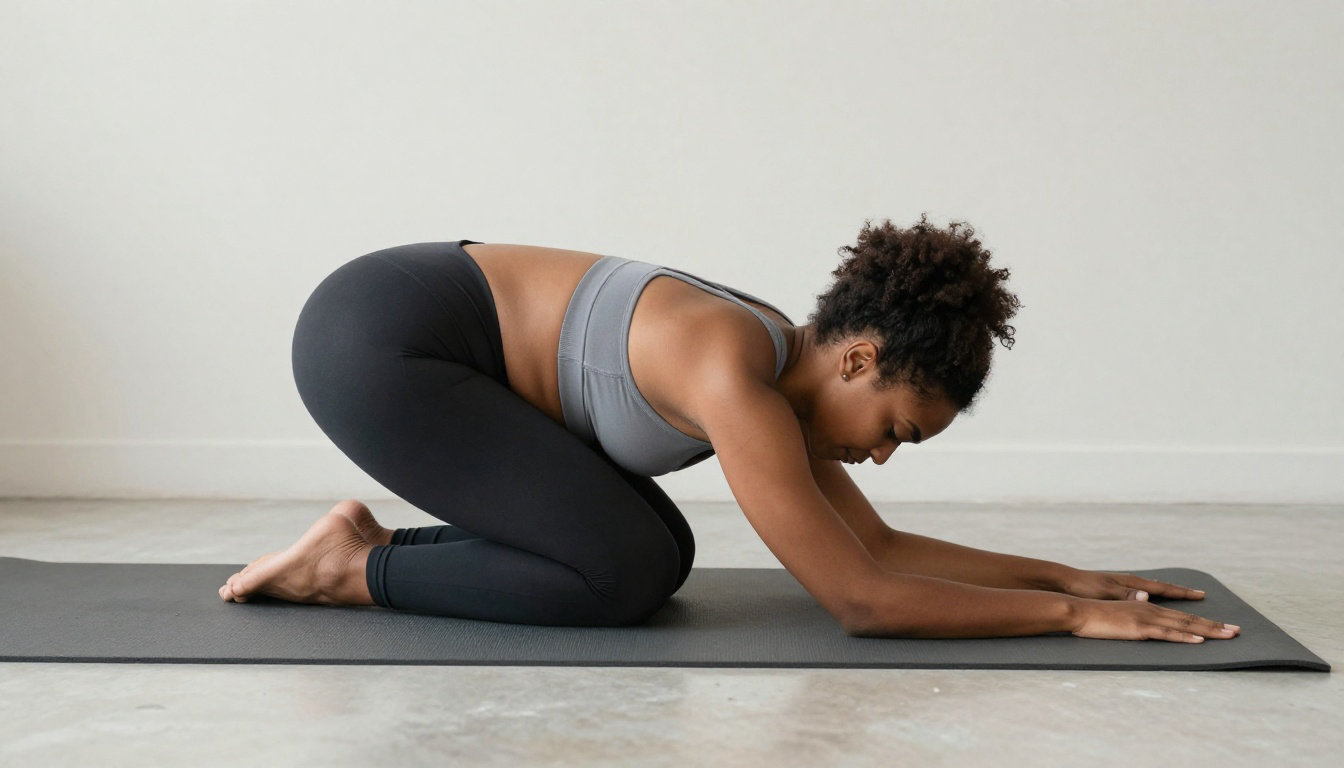
Taking care of your abdominal belt also helps manage diastasis after baby. A global approach is always preferable.
Simple daily exercises to prevent urinary leaks
Kegel exercises are very effective. Contract your perineum as if to hold back gas. Hold for three seconds then completely release the pressure.
Also adopt good postures. Stand straight so as not to compress your perineum. Avoid carrying excessively heavy loads too quickly.
Modern connected probes are a valuable aid. These fun tools allow you to train at home. They provide visual feedback on your real progress.
Also remember to choose a newborn pacifier to soothe baby during your exercises.
By massaging your perineum from the 34th week, you soften your tissues and calmly become accustomed to the sensations of childbirth. These few daily minutes reduce the risk of tearing for a gentler postpartum recovery. Prepare your body today to welcome your baby with confidence and serenity.
FAQ
Why is it recommended to massage your perineum before childbirth?
The goal is to soften the tissues of your pelvic floor so that they become more elastic. By practicing these massages, you help your body better adapt to the pressure exerted by the baby, which significantly reduces the risk of tearing or the need for an episiotomy on D-Day.
It's also an excellent way to become aware of this often-overlooked area. By learning to voluntarily relax your muscles, you gain confidence and calmly prepare yourself for the sensations of expulsion.
When in pregnancy should I start massages?
The ideal time to start is around the 34th week of pregnancy (i.e., at the beginning of the 8th month). Starting earlier would not provide any additional benefit, as it is at the end of pregnancy that the tissues need to gain flexibility.
I advise you to discuss it with your midwife or gynecologist first. They can ensure there are no contraindications, such as a vaginal infection or a threat of premature labor.
What is the ideal frequency to achieve results?
Consistency is your best ally! Ideally, massage 3 to 4 times a week, or even daily if you feel comfortable. A 5 to 10-minute session is more than enough to gently soften muscle fibers.
Don't worry if the first few sessions are a little uncomfortable. This feeling of tension generally subsides after about ten days of regular practice, giving way to a very real suppleness.
What oil should I use to avoid irritating the intimate area?
It is essential to use a neutral and natural oil to respect your flora. I recommend organic sweet almond oil or an oil specifically formulated for perineal massage, such as Weleda's.
Be careful, absolutely avoid essential oils, which can be very irritating to fragile mucous membranes. The goal is to nourish the skin and facilitate gliding without any chemical aggression.
Is it normal to feel discomfort during the massage?
A tingling sensation, slight burning, or stretching is completely normal, much like when you stretch a muscle after exercise. This shows that the tissues are working. However, it should never be painful.
If you feel sharp pain, immediately release the pressure. Remember to exhale deeply to help your muscles relax, and don't hesitate to use a mirror to better visualize your movements at first.
Can I continue to take care of my perineum after birth?
Absolutely, it's even essential! Once healing is complete (approximately 6 to 8 weeks after childbirth), perineal rehabilitation will help you regain full tone. This prevents small urinary leaks and allows for a fulfilling sex life.
In addition to sessions with a professional, you can use fun tools like connected perineal probes to continue training at home while tracking your progress.


