


Key takeaway: gum doubling is a natural inflammation preparing for tooth eruption, often as early as 2 or 3 months. To relieve discomfort, opt for cold relief with a refrigerated teething ring or a gentle massage with a clean finger. This process is normal, but a fever exceeding 38.5°C should always lead to a medical consultation.
Does your little one seem grumpy, drooling a lot, and are their gums red and swollen? This phenomenon of baby gum doubling signals the imminent arrival of their first teeth, an often uncomfortable phase that disrupts both their sleep and your peace of mind as a mom. Discover our concrete and gentle solutions to identify the real signs of this eruption and effectively soothe their pain with natural tips like cold relief or massage.
- Everything you need to know about baby gum doubling
- How to recognize the signs of teething?
- 4 concrete solutions to relieve gum pain
- Safety and hygiene reflexes to adopt
Everything you need to know about baby gum doubling
After the excitement of the first few months, a new physical stage is gently preparing for your little one.
The phenomenon of tissue swelling and thickening
Doubling is a natural inflammation of the mucous membrane. It is a necessary preparation before eruption. The body simply reacts to internal growth.
Gums become wider and redder. They are also harder to the touch. This swollen appearance remains completely normal.
Baby feels tension. It's uncomfortable but temporary.
Typical age and chronology of the first eruptions
This process often begins around 2 or 3 months. Each child progresses at their own pace. Do not compare with the neighbor. To wait, discover the Chinese pregnancy calendar and its fun predictions.
The lower incisors usually emerge first. This is the classic pattern observed by parents.
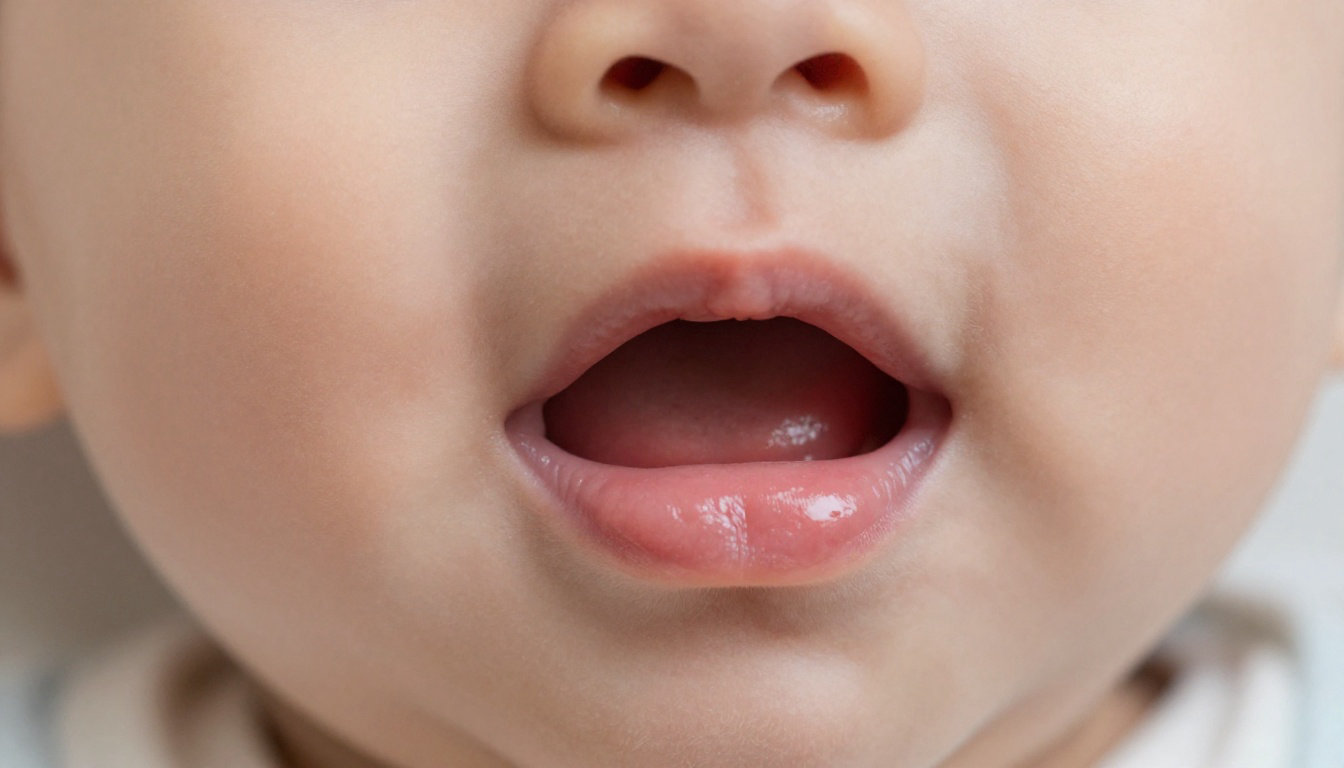
Variability is the rule. No worries if nothing happens.
The physiological link between dental pressure and inflammation
The tooth pushes and forces its way through the gum. This mechanical pressure creates local inflammation. The tissue stretches to make room.
The body sends more blood to the area. This explains the vivid color of the tissues.
This phase is temporary. Once the tooth is out, the pressure immediately subsides.
How to recognize the signs of teething?
But then, how do you know if these cries are due to teeth or something else?
Physical changes and excessive salivation
Baby is drooling excessively right now. This hypersalivation protects their irritated gums. It's a real natural shield facilitating the passage of the future tooth.
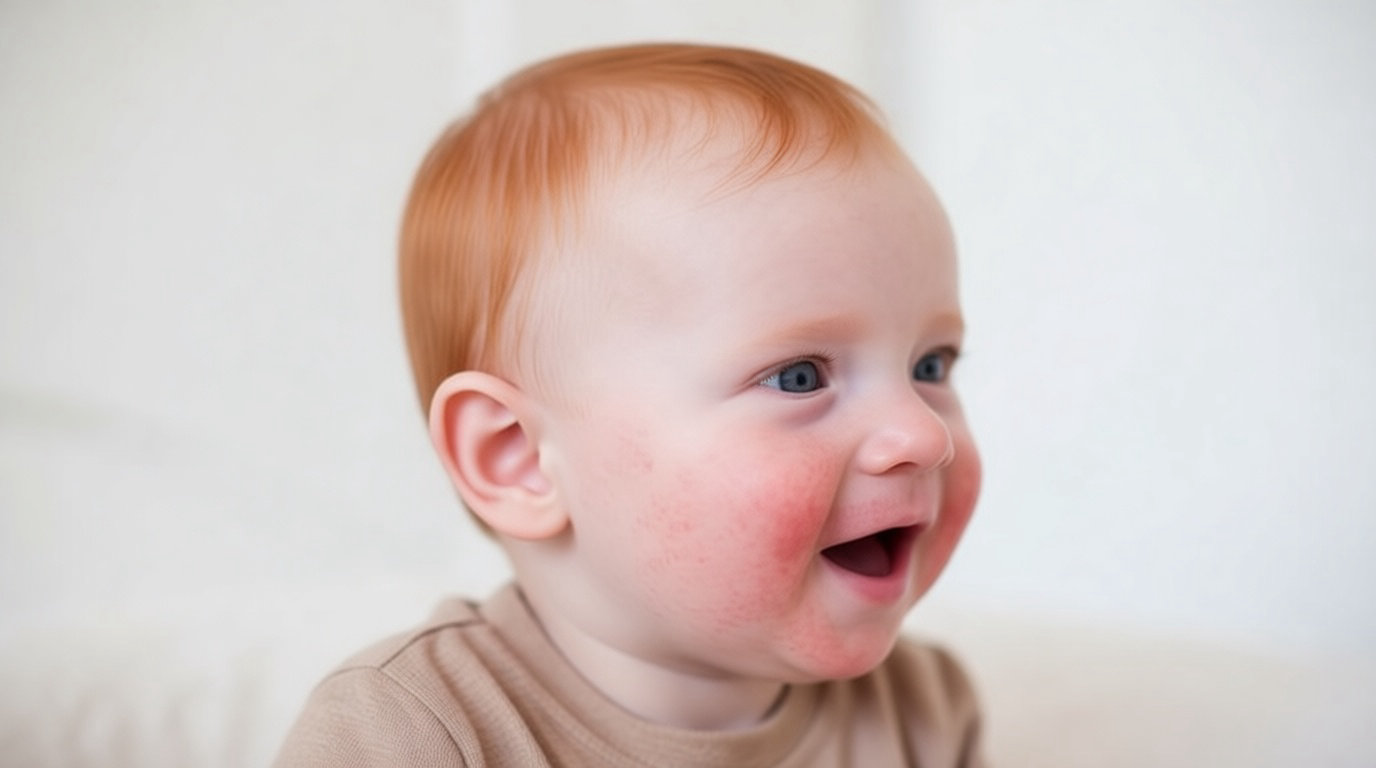
Observe their red cheeks closely. Constant moisture often causes small bumps on the chin. This is the most obvious external sign of baby gum doubling.
They put everything in their mouth. Your little one is simply trying to massage their pain. Biting becomes their daily survival reflex.
The impact on daily sleep and mood
Irritability skyrockets at the end of the day. Accumulated fatigue makes the pain unbearable for them. Be patient with your little one. To soothe their nights, discover how to dress baby at night and promote their thermal comfort.
The pain often wakes up as soon as they are put to bed. The lying position increases blood flow to their head. This accentuates the sensitive pressure on their gums.
Respond to their immense need for cuddles. Your physical proximity remains the best anxiolytic. Your warmth instantly reassures them.
Distinguishing teething from a possible illness
Teeth never cause a high fever. A temperature exceeding 38°C often hides an infection. Do not confuse dental discomfort with actual illness.
The acidity of saliva eventually irritates their bottom. Diaper rash very frequently accompanies teething. It's a classic but sometimes impressive link.
Monitor for the appearance of looser stools. This symptom remains classic during this period. However, it should remain moderate and especially temporary.
4 concrete solutions to relieve gum pain
Fortunately, there are simple tricks to soothe without bringing out the big guns.
The use of cold and suitable teething rings
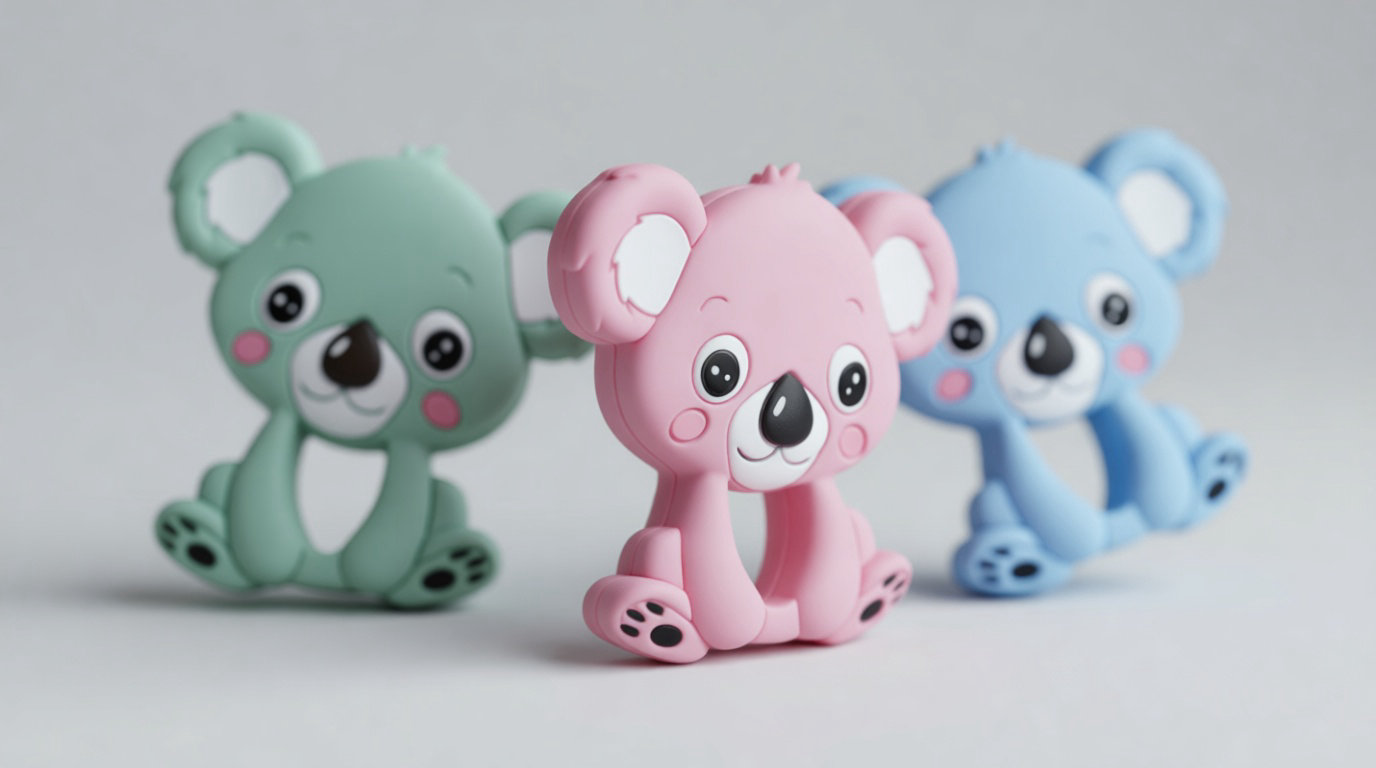
I highly recommend refrigerated teething rings. Cold naturally numbs the nerve endings in the gum. It's a healthy, chemical-free, and remarkably effective solution for your little one.
Choose safe materials. Avoid questionable plastics. Always prioritize medical silicone or natural wood to ensure total safety during biting.
A simple damp, cool washcloth can also work wonders. It's the old wives' tale that helps out everywhere, all the time, without spending a dime.
Gum massage and comfort through touch
Use a clean finger to gently rub the sensitive area. Babies often appreciate this firm but delicate pressure. It helps to break the pain signal sent to the brain.
Do not underestimate the benefits of babywearing. Skin-to-skin contact releases soothing endorphins. It's a powerful natural pain reliever that instantly reassures your tired child.
- Immediate stress reduction.
- Improved local circulation.
- Strengthening of the parent-child bond.
Fresh food as an ally against inflammation
Offer frozen breast milk or formula sticks. This is ideal for infants who have not yet started diversification. They love this baby gum doubling relieved by the frost.
Suggest fresh fruit for older children. A cold banana or a slice of mango relieves inflammation. This allows you to feed baby while calming their irritation.
Also consider melting biscuits. They allow for fun gum massages. Your child enjoys discovering new flavors while soothing their dental tensions.
Safety and hygiene reflexes to adopt
For these cares to remain beneficial, some basic safety rules are essential at home.
Hand hygiene and accessory maintenance
Always wash your hands before touching your little one's gums. The mouth is a gateway for microbes. Be really vigilant.
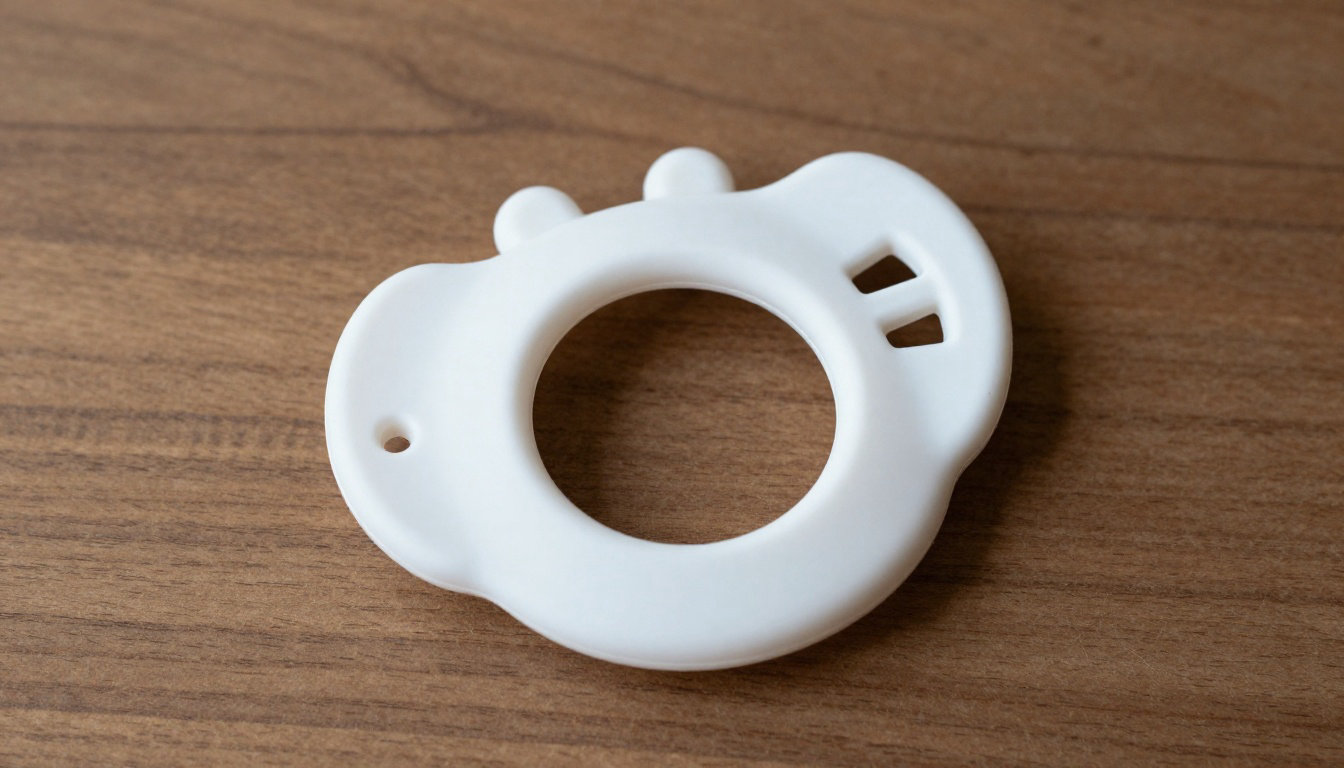
Regularly clean their favorite teething toys. A soapy water wash is enough to eliminate bacteria. It's simple and effective.
Apply a protective cream to their chin. This prevents irritation from constant drooling. Your baby will be more serene.
Objects and methods to avoid for child safety
Forget amber necklaces. The risk of strangulation is real and documented by pediatricians. Do not take any unnecessary risks.
Avoid sugary remedies. Sugar promotes early tooth decay on future teeth. Preserve their future smile now.
| Object or Method | Potential Risk | Safe Alternative |
|---|---|---|
| Amber necklace | Strangulation | Rubber ring |
| Benzocaine gels | Blood disorders | Massage with clean finger |
| Small objects | Ingestion | Large, compliant toys |
| Hard foods | Choking | Refrigerated ring |
Warning signs requiring a medical consultation
Identify the worrying fever threshold. If baby exceeds 38.5°C, call your doctor. This is probably not related to baby gum doubling.
Monitor for changes in behavior. A complete refusal to eat should alert you immediately. Do not wait if you have any doubt.
Persistent diarrhea is not normal. Do not blame everything on teething. A medical consultation is necessary.
Quickly soothe your little one by combining gentle massages, soothing cold, and patience. This gum swelling is a key step towards their first teeth and a radiant smile. Stay attentive to unusual signs to act calmly and quickly regain peaceful nights as a family.
FAQ
What exactly is "gum doubling" in my baby?
Gum doubling is a perfectly natural phenomenon that prepares for the arrival of the first teeth. Specifically, the gum tissue swells, thickens, and becomes redder as the tooth pushes underneath and stretches the tissues. It is this local inflammation that gives the impression of greater volume.
Even if it may seem impressive, it is a normal stage of development. Your little one feels tension and discomfort, but it is a sign that their body is working well to allow their future baby teeth to emerge.
At what age will my child start "doubling" their gums?
Generally, this preparation process begins around 2 or 3 months, although visible tooth eruption often occurs around 6 months. Each baby is unique: some are born with a tooth, while others will wait until 14 months to see the first one emerge.
Therefore, there is no reason to worry if your child's timeline differs from others. The first teeth to appear are often the lower incisors, located in the middle of the jaw.
How do I know if it's teething or if they're sick?
That's the big question we all ask ourselves! Teething often causes excessive drooling, red cheeks, irritability, and sometimes a red bottom or loose stools. Fever remains mild, generally below 38.5°C.
If your baby has a high fever (over 38.5°C), is vomiting, has severe diarrhea, or seems very lethargic, it is probably something else. In this case, do not hesitate to consult your pediatrician, as teeth do not cause serious illnesses.
What are the best tips to relieve their gum pain?
Cold is your best ally because it naturally numbs the pain. You can offer a refrigerated (but not frozen) teething ring or a clean, cool washcloth to chew on. If you have started diversification, frozen breast milk sticks or ripe fruits straight from the fridge work wonders.
Gum massage with a clean finger is also very much appreciated. Finally, do not underestimate the power of cuddles and babywearing: physical contact releases endorphins that help your baby cope better with discomfort.
Are there any objects or remedies that are best avoided?
Yes, safety first! Amber necklaces are strongly discouraged by specialists due to the real risks of strangulation and choking on the beads. Similarly, avoid overly sweet teething biscuits that promote early tooth decay.
Also be wary of gels containing benzocaine or homeopathic products whose effectiveness is not proven. Always prioritize simple, natural, and validated methods to protect your little one's health.


