

The main takeaway: you can enjoy burrata while pregnant as long as it is made from pasteurized milk. This heat treatment eliminates Listeria, a bacterium that is risky for the fetus. For your safety, always check the label in the store, prefer packaged industrial products with better traceability, and consume your cheese within 24 hours of opening to ensure optimal freshness.
Originating from Puglia, burrata is appealing with its creamy stracciatella heart, but it requires particular vigilance during pregnancy. This fresh cheese remains one of the most scrutinized gourmet pleasures by expectant mothers due to potential health risks.
It is sometimes difficult to know if this Italian delicacy is safe for your baby or if it poses a risk of listeriosis. Let's review together the selection criteria and precautions to take to enjoy your burrata while pregnant with peace of mind.
- Is burrata allowed during pregnancy without risk?
- 3 tips for choosing your burrata in store
- Precautions to take to consume burrata serenely
- Gourmet alternatives and nutritional intake for mom
Is burrata allowed during pregnancy without risk?
Burrata is only allowed during pregnancy if it is made from pasteurized milk, guaranteeing the absence of Listeria. Artisan versions made with raw milk present a real risk to the fetus. This safety depends directly on the heat treatment applied during milk processing.
To put theory into practice, everything depends on the cheese making method.
Pasteurized milk or raw milk
You can enjoy burrata without fear if the label clearly mentions pasteurized milk. This is the essential green light for your safety.
Pasteurization consists of heating milk to a high temperature, at least 70°C for two minutes. This thermal shock is radical: it eliminates pathogenic bacteria while preserving the necessary nutritional qualities.
Conversely, raw milk retains its natural flora but can harbor dangerous germs. Fortunately, industrial burrata often prioritizes thermal safety to protect vulnerable consumers.
Risks related to listeriosis
The Listeria bacterium represents a serious danger for your future baby. An infection can cause a miscarriage or serious neonatal complications. You must remain vigilant, even if the symptoms appear mild.
This fresh cheese is particularly sensitive because its creamy and moist heart is an ideal culture medium. Bacteria proliferate there much more easily than in dry pressed cheeses.
Particular attention to your diet drastically reduces the risk of miscarriage per week. By choosing pasteurized products, you effectively protect your health and that of your child.
3 tips for choosing your burrata in store
Once the risks are understood, it's about identifying the right products on the shelves to avoid any unnecessary risks.
Decoding labels
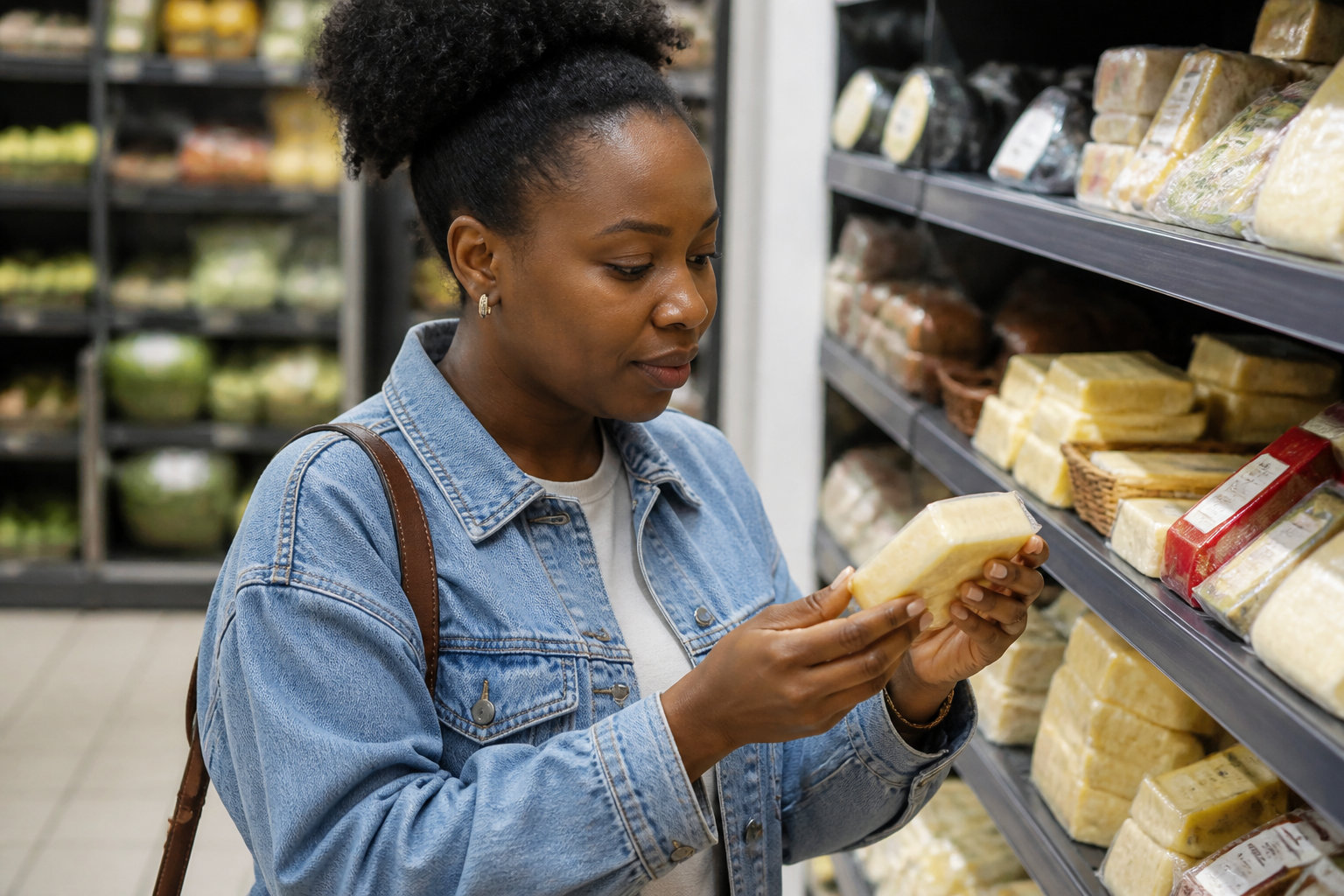
Always check for the presence of pasteurized milk on the packaging. The origin of the product and the expiration date are also essential indicators. These mentions guarantee your immediate food safety.
If the labeling seems unclear or incomplete, simply put the product back. Do not take any chances with vague information. Doubt has no place here for your health.
Industrial or artisanal
Large retailers often offer better bacterial traceability for expectant mothers. Industrial products guarantee a standardized process. Craft products can sometimes use raw milk without visible labeling at the counter.
Be wary of bulk and unpackaged cheeses. Cross-contamination is more frequent on these stalls. Prefer sealed formats.
Freshness and preservation
Observe the shell carefully, it must be white and firm. The preserving liquid must remain perfectly clear. Absolutely avoid any burrata giving off a sour or pungent odor.
Keep your cheese at a maximum of 4°C in your refrigerator. To limit the risks, consume it within 24 hours after opening. Freshness is your best ally for burrata during pregnancy.
Precautions to take to consume burrata serenely
If you have any doubts about the origin of the milk, there are simple methods to enjoy this cheese without anxiety.
Cooking and bacterial elimination
Thorough cooking, above 70°C, destroys Listeria. This is the ideal backup solution to reassure you. This heat guarantees the safety of your meal.
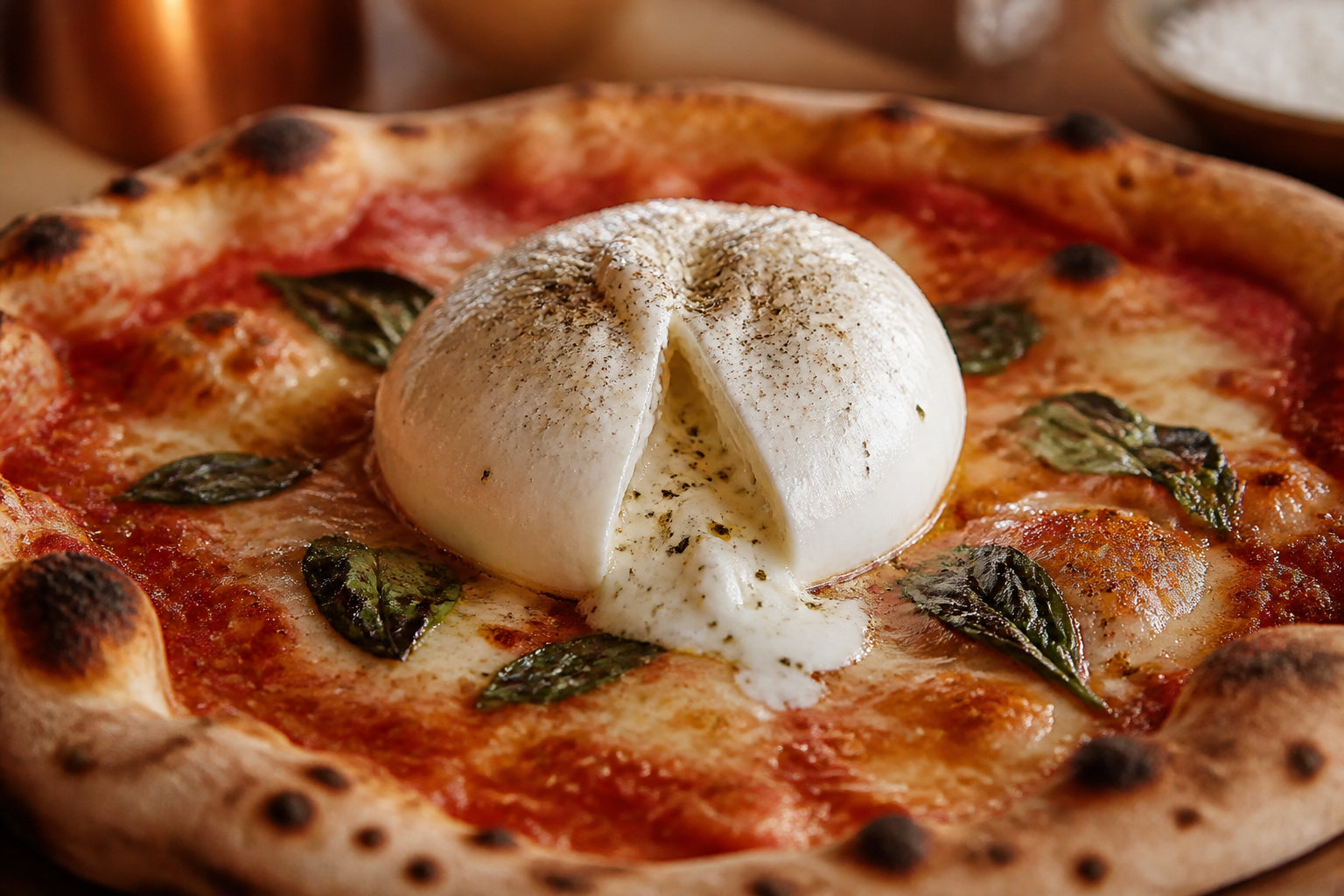
Try gourmet recipes like a burrata pizza baked in the oven. Pasta gratins or roasted vegetables also work very well. The texture becomes runny and delicious, perfect for indulging without risk.
The cooking must be homogeneous. Do not settle for a simple quick reheat.
Hygiene in the kitchen and at the restaurant
At the restaurant, ask the waiter directly. Ask if the cheese is pasteurized before ordering. This is a simple reflex that avoids many unnecessary worries.
At home, maintain strict hygiene rules. Wash your hands and utensils after handling fresh produce. Also clean your refrigerator regularly to limit the risk of contamination.
- Ask for pasteurization
- Check the freshness of the dish
- Avoid buffets
Gourmet alternatives and nutritional intake for mom
Beyond the gustatory pleasure, cheese plays a key role in your dietary balance during these nine months.
Calcium and protein intake
Calcium is your best ally to help build your baby's skeleton. It is a truly essential nutrient from the first trimester of your pregnancy. Remember it for his growth.
Proteins are also essential to maintain your own energy as an expectant mother. They concretely help you fight daily fatigue. It is valuable support for your tired body.
Also discover our advice on iron-rich foods during pregnancy. This will perfectly complement your current nutritional approach.
Safe substitute cheeses
| Cheese | Milk type | Risk | Recommended use |
|---|---|---|---|
| Pasteurized burrata | Pasteurized | Safe | Fresh salads |
| Comté | Cooked | No risk | As a snack |
| Emmental | Cooked | Safe | Gratins or snacks |
| Industrial mozzarella | Pasteurized | No risk | Pizza or salad |
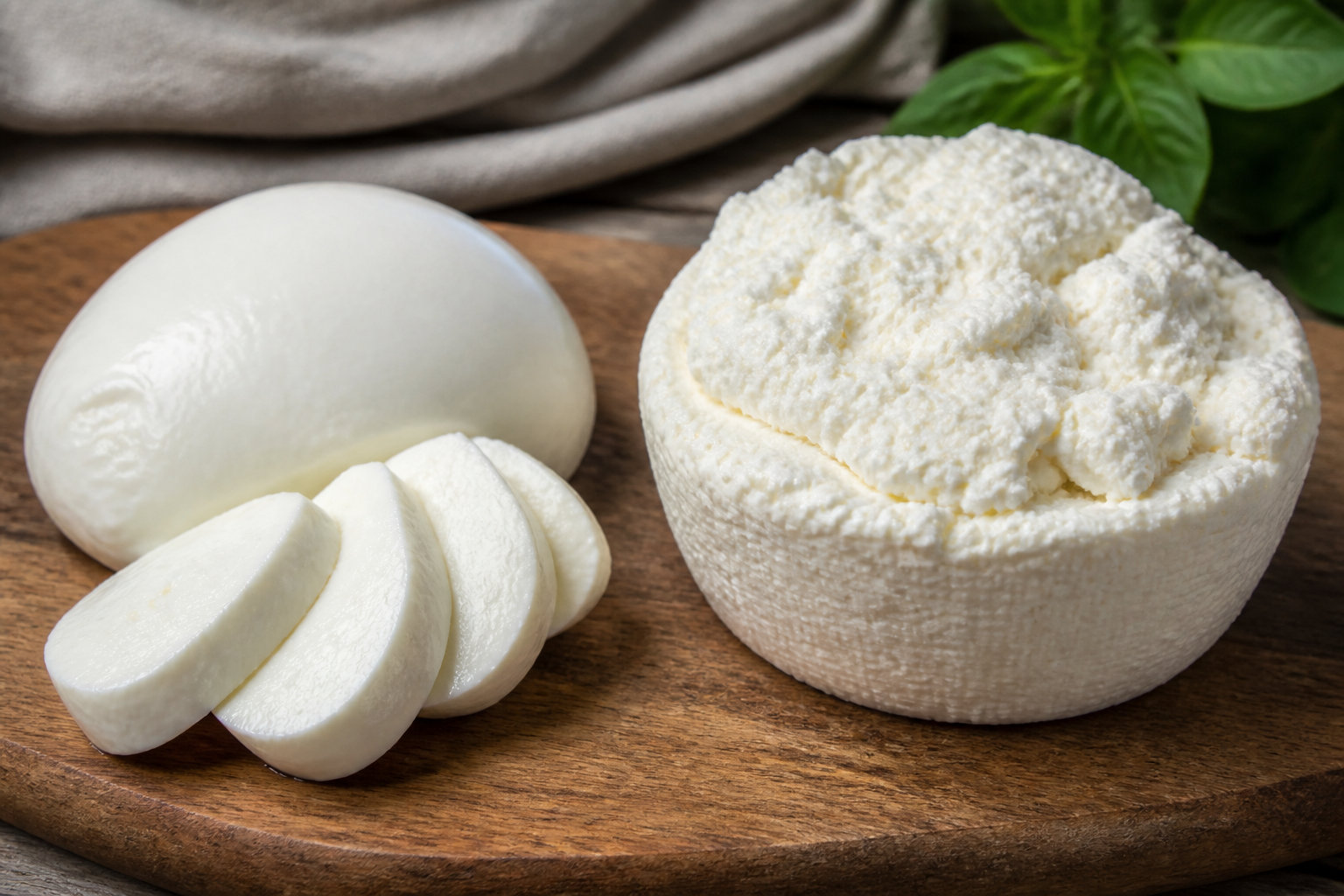
You can try authorized creamy toppings for your dishes. Fresh cheese like St Moret or pasteurized ricotta are great options. They bring a lot of sweetness.
The pleasure of eating remains essential for your morale. Don't deprive yourself unnecessarily. Simply choose the right products to enjoy serenely.
To enjoy your burrata safely while pregnant, always check for the mention of pasteurized milk on the packaging. Opt for industrial products kept cold and consume them quickly to protect your baby from Listeria. Treat yourself to this gourmet pleasure with complete peace of mind to stock up on calcium!
FAQ
Can I eat burrata while pregnant?
Yes, rest assured, you can definitely enjoy burrata, but with one essential condition: it must be made from pasteurized milk. Pasteurization is a heat treatment that eliminates bacteria like Listeria, thus guaranteeing your safety and that of your baby.
Always make sure to check the label carefully in the store. If "pasteurized milk" is not mentioned or if you have any doubt, it is better to put the product back and choose a safer alternative to avoid any risk of listeriosis.
What are the risks if I consume raw milk burrata?
Raw milk burrata presents a real risk of contamination by the bacterium Listeria monocytogenes. This bacterium can cross the placental barrier and lead to serious complications, such as miscarriage, premature birth, or neonatal infections.
Moreover, the very moist and creamy texture of burrata (the stracciatella inside) is an ideal environment for the proliferation of bacteria. This is why vigilance is required regarding the origin of the milk and the freshness of the cheese.
How can I be sure that my burrata is safe?
The first reflex is to look for the mention of pasteurized milk on the packaging. Prefer industrial products from major brands or distributors, as they often offer better traceability and stricter bacteriological controls than products sold loose or without a label.
Once purchased, store your burrata in the coldest part of your refrigerator (maximum 4°C) and ideally consume it within 24 hours after opening. If the preserving liquid becomes cloudy or if a sour odor emanates, do not take any risks and discard it.
Can I eat burrata if it is cooked, for example on a pizza?
Absolutely! Cooking is your best ally. If you have any doubt about pasteurization, know that cooking thoroughly at over 70°C destroys Listeria. Burrata placed on a pizza before it goes into the oven or incorporated into a hot gratin no longer poses any danger.
The important thing is that the cheese is very hot and melted evenly. This is an excellent way to indulge while remaining perfectly serene during your pregnancy.
What other cheeses are allowed to vary the pleasures?
If you like creamy textures, you can turn to industrial mozzarella, pasteurized ricotta, mascarpone, or even fresh cheese like St Moret or Kiri. These options are safe and provide you with the calcium necessary for your baby's skeleton development.
Hard cheeses like Comté, Emmental, or Parmesan are also excellent choices. Even if they are sometimes made with raw milk, their low humidity prevents bacterial growth. It's perfect for combining gourmet pleasure and safety!


