


The main takeaway: green stools are almost always a normal physiological variation related to bile oxidation or rapid transit. This reassuring phenomenon is explained by digestive immaturity or diet, such as an excess of lactose at the beginning of a feeding. Meconium during the first 3 days is naturally dark green, confirming the proper start of bowel movements.
Discovering a baby's green stool in your little one's diaper can quickly become a source of stress when you're new to parenting. This article explains why these color variations are often linked to digestive system immaturity or diet, while reassuring you about this natural phenomenon. You will finally learn to distinguish benign changes from rare warning signs to regain complete peace of mind during diaper changes.
- Baby's green stool: why this color change?
- The influence of breastfeeding and infant formula
- 3 developmental factors that change stools
- Warning signs that require a pediatric consultation
Baby's green stool: why this color change?
After the baby arrives, every diaper is scrutinized, and the green color can be surprising even though it is often normal.
Meconium and the first days of life
Meconium is your newborn's very first stool. This black, sticky, thick substance accumulates in their intestines during pregnancy. It's a sign that their bowel movements are finally starting.
This phase usually lasts two to three days after birth. You will then notice that the stools gradually turn olive green. This is a perfectly normal transitional stage.
Then, milk feeding takes over. The color gradually lightens to become golden yellow or mustard. This is the usual shade for infants who drink breast milk or formula.
The natural phenomenon of bile oxidation
Bile is a naturally green liquid produced by the liver. Normally, it changes color during digestion. If transit is rapid or if the stool remains in contact with air, it retains its green hue. This is purely physiological.
I want to reassure you right away. This color does not mean that your little one has a stomach ache. If the baby is smiling and energetic, there is absolutely no reason to stress.
The internal chemistry of their little body varies every day. It's just a simple story of pigments adapting.
The speed of intestinal transit in infants
Sometimes, digestion is simply a little faster than usual. The bile then doesn't have time to turn yellow before exiting. This explains the persistence of the green tint in the diaper.
It must be said that their digestive system is still very immature. Everything is slowly falling into place during the first months of life. Be patient, their body is learning to function at its own pace.
While everything stabilizes, you can consult our Chinese prediction chart to have a little fun. Each stage of your child's development holds its share of small visual surprises.
The influence of breastfeeding and infant formula
Beyond pure physiology, what your child drinks plays a major role in the appearance of their diapers.
The imbalance between foremilk and hindmilk
If your little one consumes too much foremilk, they ingest a lot of lactose. This phenomenon can make the baby's green stool quite frothy. This is often the case when alternating breasts too quickly.

Remember to completely empty the first breast before offering the second. Hindmilk is fattier. It helps the baby feel more satisfied and calms their digestion.
Plan for enough diapers to keep up with this natural rhythm.
The impact of formula on color
Infant formulas change the consistency of stools. They often become pastier than those of a breastfed baby. The smell is also generally stronger and more noticeable daily.
Certain cow's milk proteins alter the color. Diapers can then show a dark green or even grayish color.
For peaceful nights, install your little one in a co-sleeper adapted to their needs. This facilitates monitoring their digestion and night feedings.
The role of iron and vitamins
Iron supplements have a direct effect on transit. Unabsorbed iron colors the stools. They then turn very dark green, sometimes almost black.
Don't worry about daily vitamins. They are essential for their growth. They do not affect their overall digestive health in the long term.
Here are the elements that can change the color:
- Iron supplements
- Vitamin D
- Enriched formulas
- Changing milk brands
3 developmental factors that change stools
As they grow, babies explore new food and physical horizons, which still shakes things up.
The introduction of first green vegetables
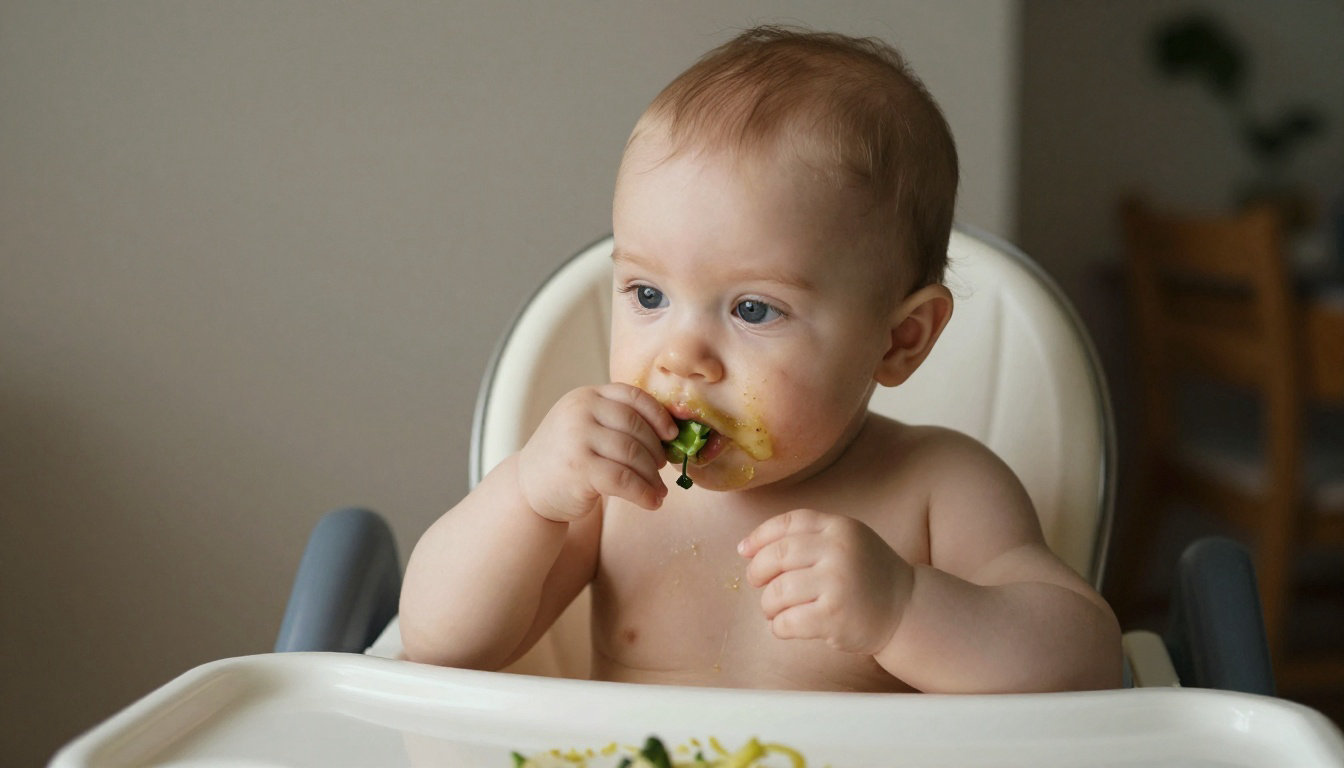
The arrival of spinach or green beans on the plate changes everything. These foods directly color your little one's stools from the first spoonfuls consumed.
Vegetable fibers also change the overall consistency. This is a normal stage that marks the big beginning of food diversification.
You will see that monitoring their diet becomes a true ritual. Don't worry, this baby green stool simply shows that their digestive system is working and adapting.
The indirect effect of teething
When teeth erupt, your baby produces a lot of saliva that they eventually swallow. This excess liquid can speed up intestinal transit. Result: stools often become more acidic and turn green.
This acidity is not without consequence for their delicate skin. It frequently causes significant redness and irritation in the diaper area. Remember to protect their little bottom.
It's an unavoidable phase. Teeth disrupt everything.
Signs of good overall hydration
To stay calm, rely on heavy wet diapers. This is the most reliable indicator. If they are regular, it is a sure sign that your child is getting enough fluids.
Don't feel guilty if the frequency of stools varies from day to day. Each baby has their own biological rhythm, sometimes very changeable.
| Color | Meaning | Recommended action |
|---|---|---|
| Yellow/Mustard | Classic for breastfed babies. | All good, keep it up. |
| Light green | Often related to foremilk. | Reassuring, let them finish the first breast. |
| Dark green | Diversification or iron in milk. | Normal, observe new foods. |
| Brown | Typical with formula or solids. | Perfectly normal and healthy. |
| White/Gray | Sign of a possible biliary issue. | Consult your pediatrician quickly. |
Warning signs that require a pediatric consultation
While most changes are benign, certain signs should prompt you to pick up the phone.
Differentiating normal mucus from pathological mucus
Mucus looks like a viscous substance. If it becomes abundant or persists for a long time, it can signal an intestinal infection or an allergy.

Physiological mucus is common. It simply serves to protect the intestinal wall against minor daily irritations.
Carefully monitor these specific criteria:
- Slimy consistency
- Presence of blood
- Foul odor
- Persistence over several days
Truly concerning stool colors
Be vigilant about red, white, or black hues after the first few days. White suggests a biliary issue. Red often indicates blood, whether fresh or already digested.
Immediate medical consultation is then essential. These discolorations are never normal in an infant. They often signal an emergency that only a pediatrician can properly treat.
Never hesitate. Taking a photo of the stools can really help your doctor make a diagnosis.
Associated physical symptoms to monitor
Fever and vomiting are clear signals. If your baby refuses to eat or suddenly seems listless, you should consult a healthcare professional without further delay.
Weight remains a major indicator. A sharp drop in your child's growth curve is a strong signal that requires a thorough medical check-up.
A quick examination can check their general well-being. Also observe if a baby's green stool is accompanied by jaundice or unusual irritability to react quickly.
In summary, your infant's green stool is often a normal phase related to rapid transit, bile oxidation, or diet. Stay calm: if the baby is growing well and smiling, everything is fine. Simply monitor for fever or discolored stools to act quickly.
FAQ
Is it normal for my newborn's stools to be dark green?
Yes, it's completely normal during the first few days of life. These first stools, called meconium, are made up of residues accumulated during pregnancy. They have a thick, sticky appearance and a very dark green, almost black color.
After this two or three-day period, transitional stools appear. They gradually lighten to olive green, before becoming golden yellow if you are breastfeeding, or light brown if your baby is on formula.
Why does my breastfed baby sometimes have green and frothy stools?
This often happens when there's a slight imbalance between "foremilk" and "hindmilk." Foremilk is very rich in lactose, which can speed up transit and give stools this green color and frothy appearance.
To help, try to let your baby completely empty the first breast before offering the second. This way, they can access the hindmilk, which is fattier and more satisfying, and this will naturally regulate the color of their stools.
Can teething change the color of stools?
Absolutely. When a tooth erupts, your baby produces much more saliva. By swallowing it, this saliva can speed up intestinal transit and make stools softer, more acidic, and sometimes greenish.
This temporary acidity is also often responsible for the little red bottoms observed during these periods. It's a slightly uncomfortable time for them, but it's a classic stage of their development.
When should I worry about green color in the diaper?
If your baby is smiling and gaining weight, green is generally not a concern. However, consult if the green persists for more than 24 hours and is accompanied by abundant mucus, fever, vomiting, or if your little one seems listless.
Also remain vigilant if you notice truly atypical colors such as white (putty-colored), bright red, or black (after the meconium period). In these specific cases, rapid pediatric advice is essential to rule out any health problems.
Can diet influence the green color of stools?
Yes, and it is very common during the introduction of solid foods. If you have started baby food, vegetables like spinach or green beans directly color the stools the same shade.
Also be aware that some iron-fortified infant formulas or vitamin supplements can give a dark green or grayish coloration. As long as the consistency remains usual, there is no reason to stress.


