

Key takeaway: physiological "M" position babywearing offers a serene transition between the womb and the outside world while freeing up your hands. This closeness stimulates oxytocin, reduces colic, and promotes secure attachment. A sling or a stretchy wrap allows you to start without stress, provided you always keep the baby's face visible and their airways clear.
Do you sometimes feel overwhelmed by your newborn's cries while dreaming of getting your hands back? Babywearing is the ideal solution. Discover our benevolent advice on choosing your equipment, mastering the physiological M-position, and finally enjoying these moments of serene complicity in complete safety.
- How babywearing changes your daily life
- The 3 pillars of safe physiological babywearing
- How to choose between a stretchy wrap, woven wrap, or sling?
- Practical tips for babywearing through the seasons
- Mastering the knots and growing with your child
How babywearing changes your daily life
After the excitement of birth, we often look for a way to regain a serene balance with our newborn.
The fourth trimester or a gentle transition
Birth marks the beginning of a necessary transition between the womb and the outside world. Your baby needs to rediscover familiar sensory cues to calmly adapt to their new life.
Constant physical contact meets a vital need for closeness. This skin-to-skin contact intensely reassures the infant. Also, consider checking out the basic principles for creating a harmonious and stimulating nursery for their awakening.
Babywearing allows for immediate soothing of cries. Your body's warmth naturally regulates their stress. It's a simple, authentic, and incredibly effective daily remedy.
Physical and emotional benefits for your child
The wearer's movement gently stimulates the child's vestibular system. This promotes their overall motor development from the first weeks. Baby thus gently awakens to the world around them.
The vertical position in the wrap naturally reduces colic and gastric reflux. It greatly facilitates digestion, which can sometimes be difficult for newborns. It's a precious relief for little bellies.
This closeness strengthens a lasting sense of emotional security. The bond of attachment is consolidated with each moment spent together. Your child then grows with solid self-confidence.
Regain freedom of movement and oxytocin
Having your hands free finally allows you to accomplish simple tasks. You can make coffee or tidy up the house a bit without putting the baby down. Daily life slowly resumes its course.
Babywearing releases oxytocin, the famous happiness hormone. This significantly reduces parental stress throughout the day. You feel calmer and deeply connected to your child.
You gain confidence in responding to your infant's needs. You learn to decode their signals much faster than with a stroller. In fact, babywearing is about listening to yourself as a parent.
The 3 pillars of safe physiological babywearing
But to enjoy these benefits, you must first master some essential basic rules for everyone's comfort.
The M-position to protect hips and back
Gently tilt your baby's pelvis forward. Their spine must absolutely maintain its natural C-shaped curve. This is the basis of successful physiological positioning.
Place their knees higher than their bottom. This frog-leg or M-position protects their still-fragile hips. It provides optimal support for their growing little skeleton.
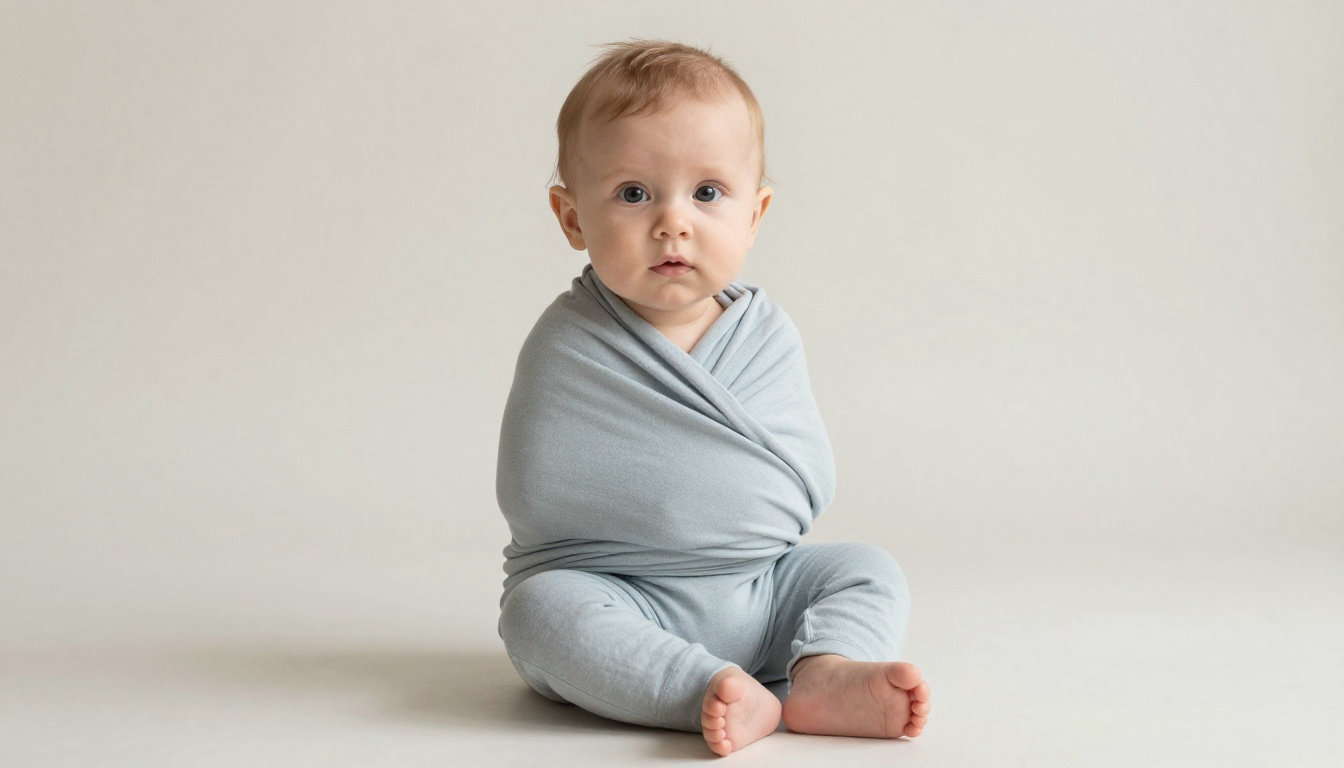
Always ensure their neck is supported. The fabric of the wrap must support without ever compressing their cervical spine. Their head remains well aligned.
Clear airways for free breathing
Always keep your child's face visible. You must be able to monitor their breathing with a quick glance. Safety begins with this constant and reassuring observation.
Check the space between their chin and chest. There should be enough room to easily slide two fingers. This ensures perfect air circulation for your little treasure.
Prevent any risk of their nose being buried against you. The fabric should never cover their nostrils. Be particularly vigilant with overly loose or poorly adjusted wrap models.
Adjust the fabric to protect your own lower back
Seek an even distribution of weight on your body. The fabric should envelop your shoulders and pelvis well. This avoids unnecessarily tiring your back during your activities.
Perform a precise, zone-by-zone tightening over the entire panel. A good adjustment prevents your baby from bouncing against you. This avoids the rebound effect that exhausts the lumbar muscles.
Avoid tension caused by babywearing too low. Your baby should be at kissing height on their forehead. This is the ideal reference point for long-term comfort.
How to choose between a stretchy wrap, woven wrap, or sling?
Once the safety rules are understood, the next step is to find the tool that best suits your needs.
The stretchy wrap for a stress-free start
The knit of this fabric offers incomparable flexibility. It is the ideal material for a newborn. Its enveloping softness recalls the uterine cocoon so cherished by your little one.
The major advantage lies in the basic knot. You can tie it on yourself even before slipping the baby in. This is really reassuring when you are starting out and afraid of doing it wrong.
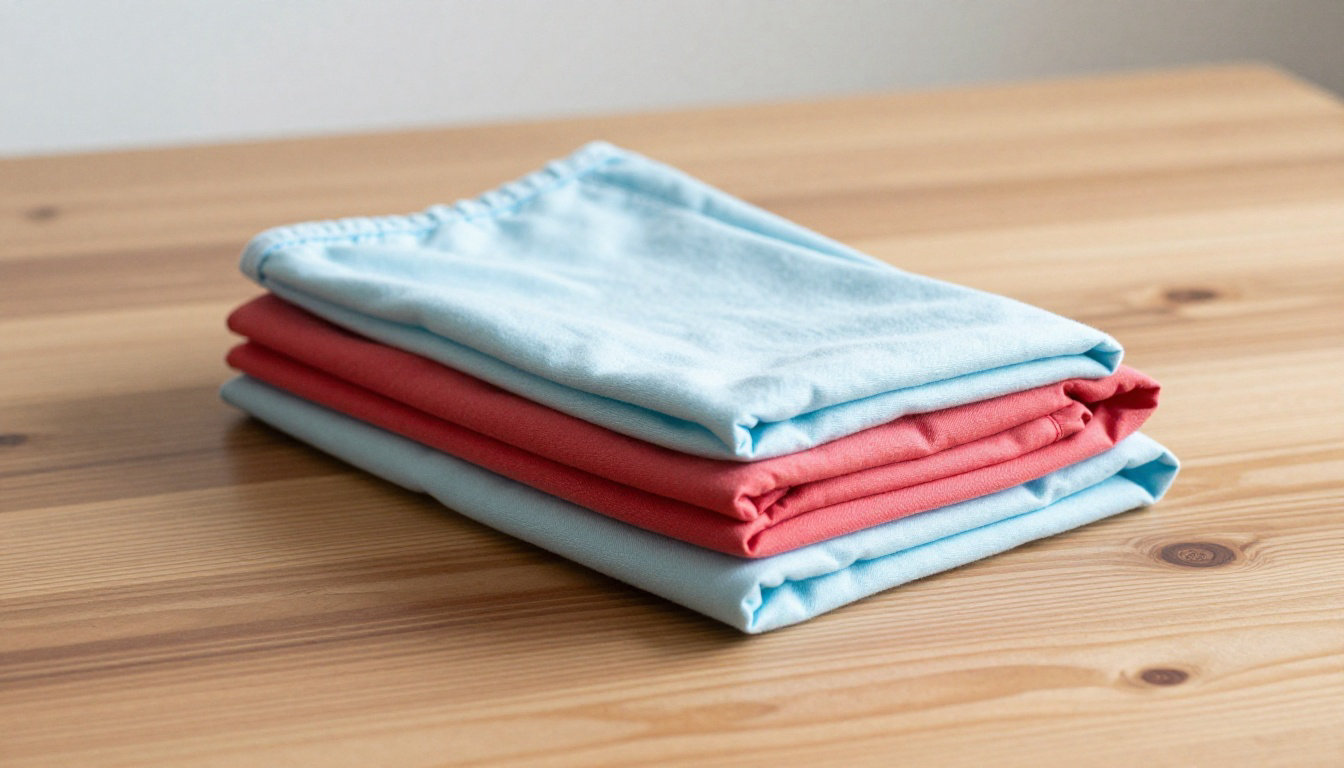
However, elasticity eventually becomes a disadvantage. As the child grows, the fabric tends to sag. It then offers much less support for heavier babies.
The woven version for lasting and evolving support
Opt for the robustness of cross-weaving for durability. This wrap never deforms over time. It is perfect for carrying older and much stronger children.
The technicality of the ties allows for total versatility. You can carry in front, on the side, or even on the back. It is the favorite tool of experienced parents looking for custom solutions.
Organic cotton guarantees excellent breathability. It allows natural heat dissipation. It is a healthy and protective choice for your little treasure's delicate skin.
The sling: the ally for short trips and no knots
The ring adjustment system changes everything. No complex knots to tie here. It's a simple and very quick solution for everyday use.
I recommend this format for your quick outings. Ideal for climbing stairs or running an errand. Here are its strengths:
- Record-breaking installation speed
- Minimal bulk in your bag
- Ideal for toddlers who walk
- Elegant and modern look
Note that carrying is asymmetrical here. The weight rests on only one of your shoulders. This is perfect for occasional use, but less comfortable for very long hikes.
Practical tips for babywearing through the seasons
Choosing your equipment is one thing, but using it daily requires some practical adjustments depending on the weather.
Dress baby without risk of overheating or cold
Follow the "one less layer" rule. Your baby carrier counts as a garment. The thermal contact between you naturally generates a lot of heat.
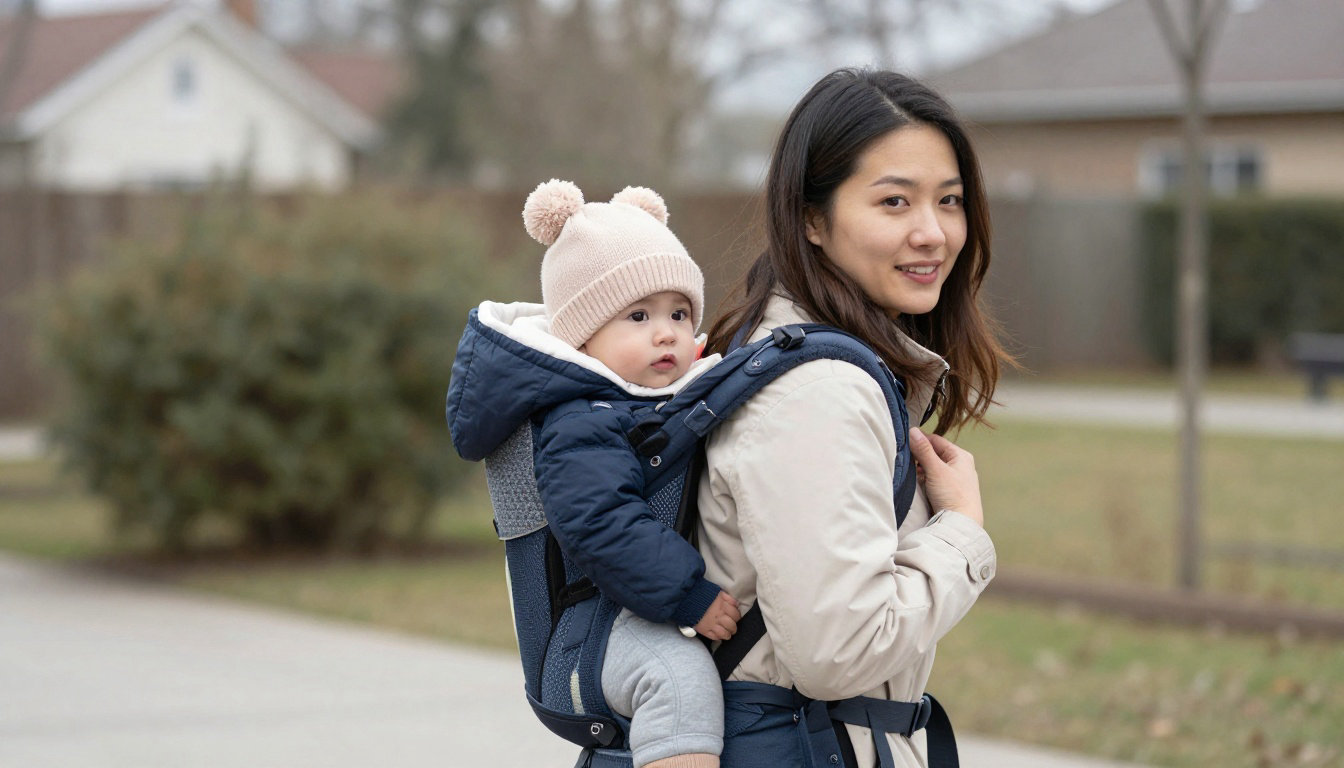
Especially protect sensitive extremities. Feet and head should remain well covered. To learn more about nighttime, consult how to dress baby at night.
Forget thick pilot suits. They block the physiological position. Prefer flexible materials and leg warmers to keep little legs warm.
Breastfeeding in a wrap with discretion and comfort
Learn the lowering technique. Slightly loosen your knot to position the baby. The breast should reach the correct height without any effort.
The secure Madonna position is ideal. The fabric supports the child and acts as a veil of privacy. It's perfect for feeding your little one discreetly.
Always raise the child after feeding. They must return to their initial safe position. Tighten the knot well to ensure impeccable support.
Care for your organic cotton fabrics to make them last
Opt for low-temperature washing. A delicate cycle preserves the flexibility of the fibers. Your fabrics will thus remain soft for baby's skin.
Absolutely avoid using fabric softener. This makes the fibers too slippery for reliable tightening. For other accessories, read how many baby swaddles are needed.
Prefer flat drying. This prevents the stitches from deforming with the weight of the water. Your wrap will retain its original shape for years.
Mastering the knots and growing with your child
Finally, don't be intimidated by the length of the fabric, because everything can be learned with a little patience.
Demystifying learning with a progressive method
Learning babywearing is a lot like riding a bike. At first, you're bound to fumble a bit. Then, the movements become automatic and fluid. Don't get discouraged after the first failed attempts.
My advice: practice with a weight. A doll or a bag of rice allows you to practice without stress. It's much simpler than handling a squirming baby. You'll gain confidence quickly.
Encourage regular repetition at home. Muscle memory builds up little by little. Soon, you'll be tying your knots with your eyes closed, or almost. It's a matter of habit, nothing more.
From newborn to 3-year-old toddler
The tying needs to be adapted to muscle tone. A newborn requires more support than an older child. The setup evolves with the child's abilities. You adjust according to their growth.
Carrying on the hip is a great step. It's ideal when the little one starts wanting to look everywhere. They enjoy the view while staying close to you.
| Child's age | Type of carry | Main advantage |
|---|---|---|
| 0-4 months | Front | Reassuring physiological cocoon |
| 4-9 months | Hip | Stimulated awakening and curiosity |
| 9-18 months | Back | Comfort for heavier weights |
| 18 months+ | Occasional | Freedom for tired walkers |
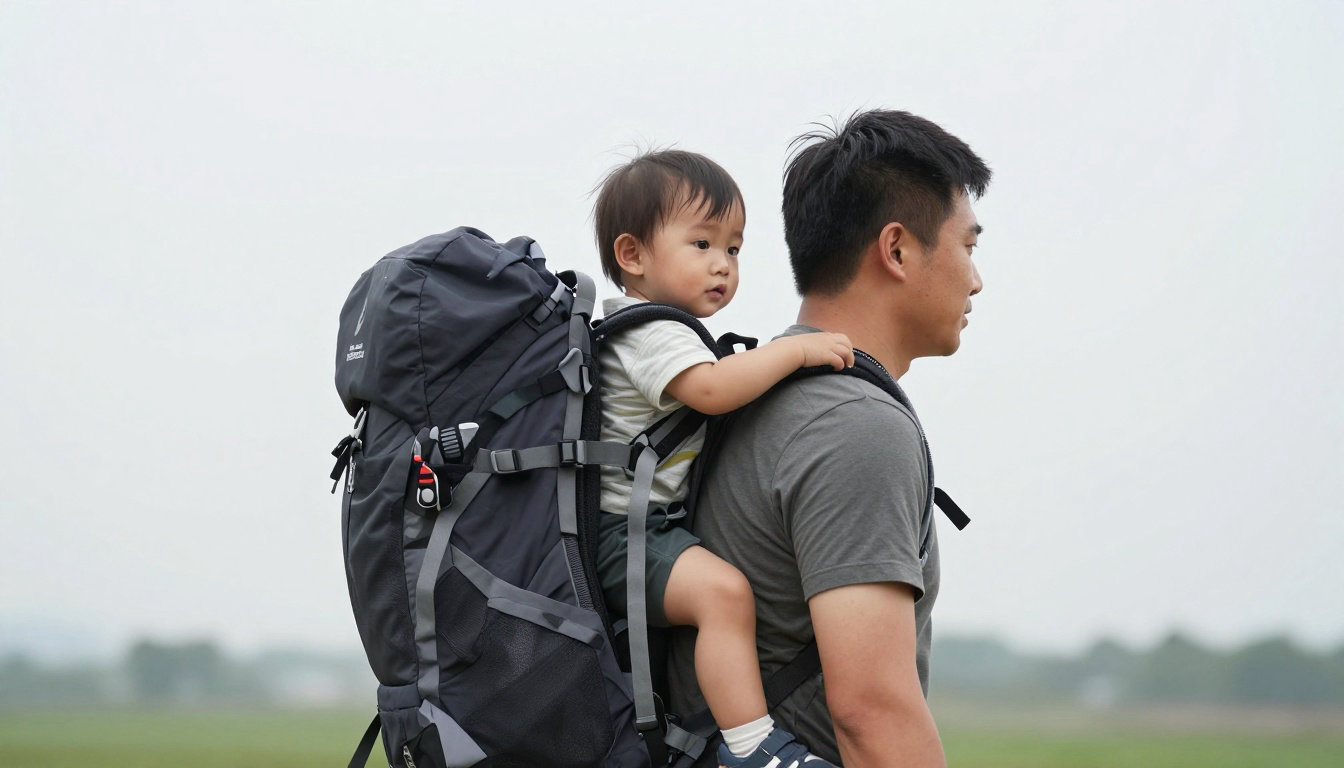
Also consider back carrying for hikes. It's the ultimate solution for tired walking children. You regain true freedom to explore trails with your family. It's a real shared joy.
Carrying your child strengthens their attachment while freeing your hands thanks to a respected physiological position. To start serenely, choose a model adapted to your daily life and always ensure their airways remain clear. Adopt this new reflex starting tomorrow to transform every trip into a moment of absolute tenderness.
FAQ
At what age can I start carrying my baby in a wrap?
You can carry your little one from birth! The wrap is ideal for extending the womb's cocoon feeling and offering a gentle transition to the outside world. It's an excellent way to reassure your newborn thanks to skin-to-skin contact and your natural warmth.
For babies born prematurely or with low birth weight, I still recommend seeking advice from your pediatrician or midwife before starting. Once you get the green light, babywearing will help your baby better regulate their temperature and feel completely safe.
How can I be sure my baby is properly positioned physically?
That's the question we all ask ourselves at the beginning! For respectful babywearing, we look for the "physiological" position: your baby's back should be well rounded and their knees placed higher than their bottom, forming a nice "M". Their pelvis should be slightly tilted to protect their still-fragile hips.
Don't forget the golden rule of "kissing height": you should be able to kiss the top of their head without effort. Finally, always check that their airways are clear, with a two-finger space between their chin and chest, and that their face remains perfectly visible.
Is it possible to breastfeed discreetly while carrying my child?
Yes, and it's a real joy for the freedom it provides! You can use the "Madonna position" by slightly loosening your knot or the rings of your sling to gently lower the baby to breast height. The wrap then serves as support and a veil of privacy to feed your little one discreetly, wherever you are.
The physical closeness of babywearing even stimulates lactation thanks to oxytocin, the happiness hormone. Once feeding is complete, simply make sure to reposition your baby upright and tighten the fabric to ensure their safety and optimal comfort.
What's the difference between a stretchy wrap and a woven wrap?
The stretchy wrap (or "stretch") is perfect for beginners because it's very flexible and allows you to tie the knot before putting the baby in. This is very reassuring when you're still lacking confidence! However, it offers less support when the child grows and becomes heavier.
The woven wrap, on the other hand, is very robust and doesn't deform. It requires a little learning time for the knots, but it is incredibly versatile: it will accompany you from birth up to 3 years old, whether you carry in front, on the hip, or even on the back.
How do I care for my organic cotton wrap to keep it soft?
To preserve natural fibers and your baby's delicate skin, I recommend a simple machine wash at 30°C on a delicate cycle. Use a mild detergent and, most importantly, skip the fabric softener: it makes the fibers too slippery, which can affect the hold of your knots and the tightness of the wrap.
For drying, prioritize air drying flat rather than using a tumble dryer. This allows the wrap to maintain its elasticity and original shape over the years. It's a simple step to keep your baby carrier healthy and durable.


