
The key takeaway: the follicular phase is the adjustable variable, its duration changing based on your stress or fatigue. Understanding that only this stage fluctuates allows you to better target your fertility window without exhaustion. A memorable benchmark: a phase that is too short, less than 10 days, can impact egg maturation.
Do you often feel lost with the variations in your cycle or the unpredictable length of your periods? Understanding the follicular phase definition is the first step to regaining control over your body and finally clearly identifying your fertility window. Here, you'll discover how your hormones orchestrate the maturation of your eggs and what simple physical signs to observe to naturally boost your chances of conception.
- Understanding the Follicular Phase and its Real Duration
- How Do Your Hormones Prepare for Ovulation?
- 3 Physical Signs to Identify Your Fertile Window
- Boosting Fertility Through Lifestyle
Understanding the Follicular Phase and its Real Duration
After an overview of the entire cycle, let's focus on its very first stage, the one that sets everything in motion.
The First Day of Your Period as a Starting Point
The cycle officially begins on the first day of bright red bleeding. This is the biological starting signal. The body sheds the endometrium not used the previous month. This stage marks the essential uterine renewal.
While the uterus cleanses itself, the ovaries are not idle. They are already preparing for what's next. This is a crucial transitional phase for future ovulation. You can also anticipate the arrival of a baby by choosing how many diapers to plan for your baby soon.
This period lasts on average three to seven days, depending on the woman. Each body has its own rhythm. The important thing is to observe the regularity of these first days.
Why the Duration Varies From Woman to Woman
Contrary to popular belief, the follicular phase is the adjustable variable. It can last ten days or twenty. It all depends on the speed of follicle maturation.
Stress or fatigue directly impact this precise duration. If your brain perceives danger, it delays the signal. Ovulation will then wait for a more favorable moment. This is a natural and very effective protective mechanism of the body.
Age and stopping hormonal contraception also play a major role here. The body sometimes needs to relearn how to self-regulate. Be patient with your own internal biology.
The Major Difference with the Luteal Phase
The luteal phase, on the other hand, remains very stable, about fourteen days. It is the follicular phase that determines the total length of the cycle. Understanding this changes your view of fertility.
If your cycle lengthens, it means ovulation was delayed. This is not necessarily a health problem. It's just your hormonal rhythm adapting to circumstances.
Identifying this distinction allows for better targeting of sexual intercourse. We no longer calculate based on a theoretical average. We observe the body's signs to create a harmonious and stimulating child's room soon. This is much more reliable for conception.
How Do Your Hormones Prepare for Ovulation?
But what exactly happens in your ovaries as the days go by?
The Action of FSH on Your Ovaries
Follicle-stimulating hormone, or FSH, is the conductor of the early cycle. It wakes up several follicles. It's a real growth race that begins.
Each follicle contains an immature oocyte that dreams of growing up. Under the influence of FSH, they swell and develop. Finally, only one follicle will become dominant and be released. The others will naturally fade to make way for the champion.

This process ensures the quality of the egg that will be expelled soon. It is a rigorous selection orchestrated by your endocrine system. Your body chooses the best candidate for a potential pregnancy.
The Rise of Estrogens and Uterine Preparation
As they grow, the follicles secrete large amounts of estrogen. These hormones act as a fertilizer on the endometrium. The uterine lining thickens to welcome a future embryo.
When estrogen levels peak, the brain receives a clear message. It understands that the egg is ready. This then triggers the LH surge, the ovulation hormone. It's perfect communication between your reproductive organs and your brain.
This meticulous preparation is invisible yet very powerful. You start to feel the effects of these hormones on your mood. Your energy soars as the deadline approaches.
| Hormone | Main Role | Visible Effect |
|---|---|---|
| FSH | Stimulation | Growth of ovarian follicles. |
| Estrogens | Uterine preparation | Thickening of the endometrium. |
| LH | Trigger | Release of mature egg. |
3 Physical Signs to Identify Your Fertile Window
No need for daily blood tests, your body sends you concrete signals.
Learning to Read Your Cervical Mucus
Cervical mucus changes dramatically in appearance during this phase. Initially, it is almost absent or creamy. Then, it becomes clear and very elastic, like egg white.
This specific texture helps sperm survive and swim. It neutralizes the natural acidity of the vagina to protect them. This is the ultimate sign that your fertility window is open. Simply observe it when you go to the bathroom each day.
As soon as you see this stretchy mucus, ovulation is imminent. It's the ideal time for cuddles if you want a baby. Your body indicates that the ground is ready.
- Dry texture (low fertility)
- Creamy texture (average fertility)
- Egg white texture (maximum fertility)
Temperature and Libido as Natural Indicators
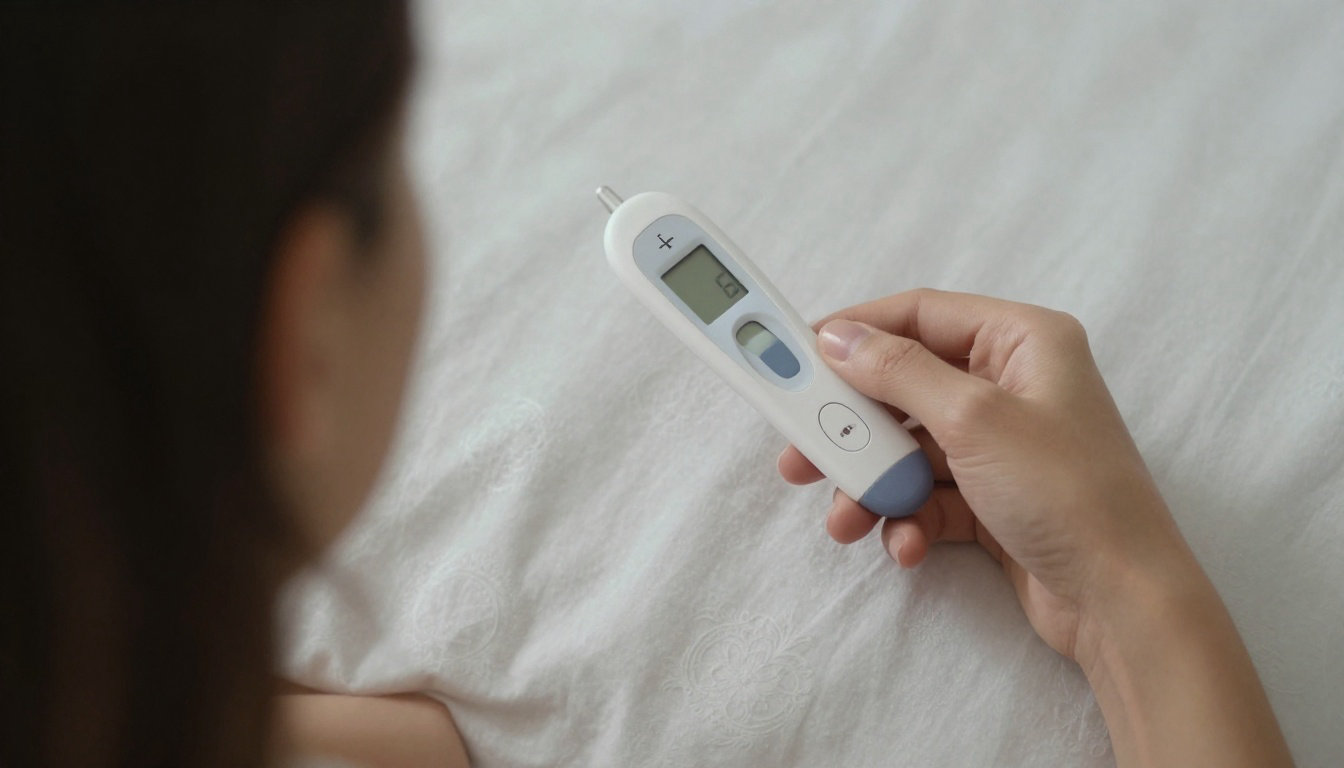
Your basal temperature remains low throughout the follicular phase. It will only rise after ovulation. This is a valuable tool to confirm that the egg has been released.
Concurrently, you will often notice an increase in your libido. Estrogens boost your desire and self-confidence. This is nature's trick to promote reproduction. Listen to your desires; they are often linked to your hormonal cycle.
You might also feel a surge of vitality and radiance. Your skin often looks better just before ovulation. Take advantage of this energy peak for your personal projects or to consult a Chinese pregnancy calendar for fun.
Boosting Fertility Through Lifestyle
While biology does its job, you can give it a welcome boost.
Nutrients to Pamper Your Follicles
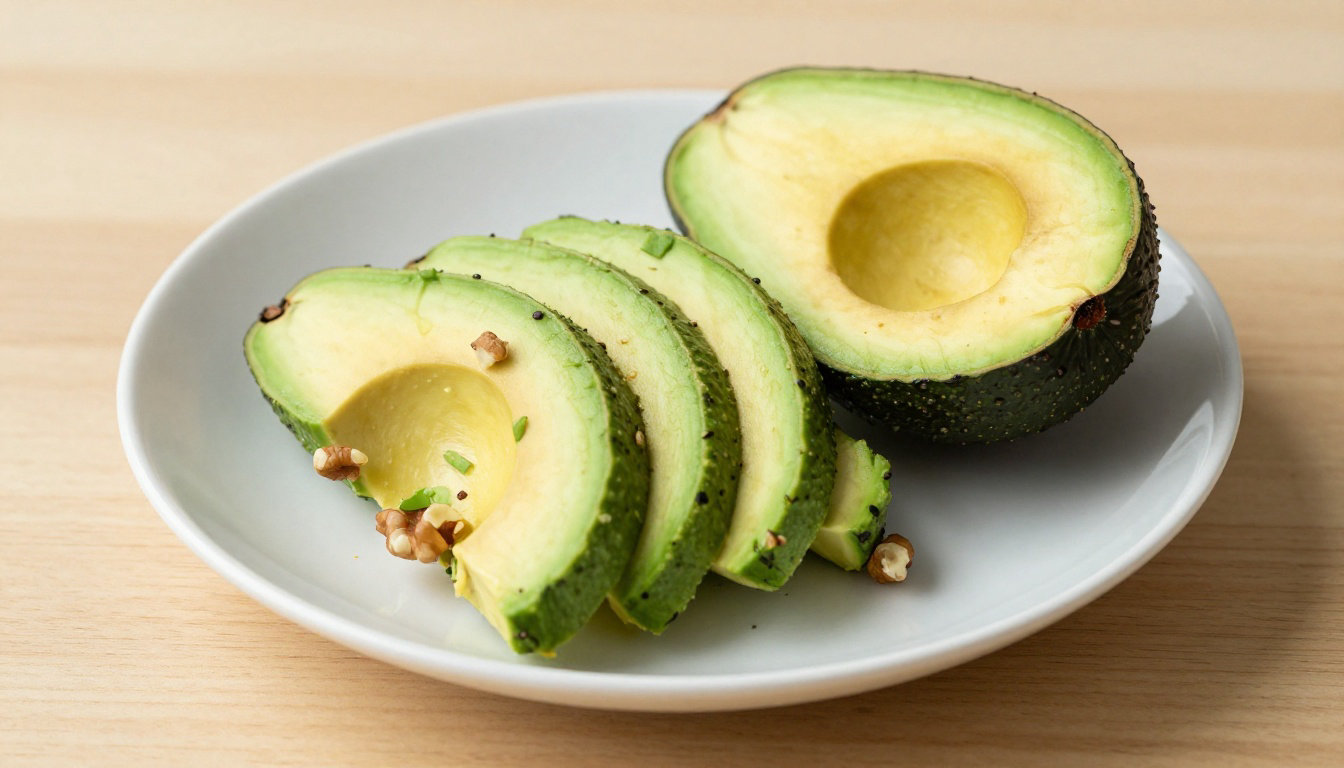
Diet plays a key role in the quality of your oocytes. Favor good fats like avocado or nuts. They help in the production of sex hormones.
Don't forget the antioxidants found in red fruits and green vegetables. They protect your cells from oxidative stress. Folic acid also remains essential from the desire to conceive. A colorful plate is your best ally for optimal fertility.
Also think about hydration to improve the quality of your mucus. Pure water, quite simply, works wonders. Avoid excess caffeine, which can disrupt balance.
- Omega-3 fatty acids
- Vitamin B9 (folic acid)
- Antioxidants (vitamins C and E)
- Zinc for cell division
Stress and Its Impact on the Cycle
Chronic stress can block ovulation by inhibiting GnRH. The body thinks it is in danger. It then puts fertility on hold to protect you.
To calm your nervous system, try cardiac coherence or walking. A few minutes a day are enough to lower cortisol. This hormone competes with your reproductive hormones. Finding inner calm often helps regularize long cycles.
Get enough sleep to allow for nocturnal hormonal regeneration. Sleep is the forgotten pillar of reproductive health. Be gentle with yourself during this period, just as you will later learn how to dress your baby at night for their own rest.
When to Consult for a Cycle That Is Too Long or Short
If your follicular phase definition lasts less than ten days, talk about it. An egg released too early is not always mature enough. This is important information for your gynecologist.
Conversely, cycles longer than forty days deserve attention. This can hide polycystic ovary syndrome or a thyroid disorder. A simple hormonal assessment will allow for a reassuring diagnosis. Don't wait until you are emotionally exhausted before consulting.
Note your observations in an app or notebook. This data will be valuable during your medical appointment. You know your body better than anyone, trust yourself.
- Cycles under 21 days
- Absence of ovulation
- Intense pain during the follicular phase
- Very irregular cycles from one month to another
Better understanding your follicular phase allows you to anticipate your ovulation by observing your cervical mucus and energy. Start today with a plate rich in omega-3s and manage your stress to pamper your future oocytes. Listen to your body now to serenely experience your next cycles and boost your fertility.
FAQ
What exactly is the follicular phase and when does it begin?
The follicular phase, also called the estrogenic phase, is the very first part of your menstrual cycle. It officially starts on the first day of your period (the first day of full bleeding) and ends precisely at ovulation.
It's a period of intense preparation where your body, under the impetus of the FSH hormone, matures several follicles in your ovaries. One of them will become the "champion" (the De Graaf follicle) to release an egg, while your estrogen levels rise to rebuild the lining of your uterus.
What is the normal duration of this phase in the cycle?
On average, for a 28-day cycle, this phase lasts about 14 days. However, it varies greatly from woman to woman, and even from month to month, ranging from 10 to 21 days without being a cause for concern. Unlike the luteal phase which is very stable, it is the follicular phase that determines the total length of your cycle.
If it lasts less than 10 days, the egg may not be mature enough. If it exceeds 25 days, it could be due to significant stress, intense physical activity, or an imbalance like PCOS. In these cases, do not hesitate to discuss it with your gynecologist.
Is it possible to get pregnant during the follicular phase?
Yes, it is entirely possible, especially during the second half of this phase! Even if ovulation has not yet occurred, sperm can survive for up to 5 days in your reproductive tract. If you have sexual intercourse a few days before ovulation, they will already be "at the rendezvous" when the egg is released.
The fertility window therefore includes the 5 days preceding ovulation and the day itself. This is why observing your cervical mucus (which becomes slippery and clear like egg white) is an excellent indicator for identifying this ideal time to conceive.
How does stress influence this period of the cycle?
Stress is the number one enemy of your cycle's regularity. In cases of emotional shock or chronic fatigue, your brain produces cortisol which can block or delay the ovulation signal. This is a natural protection mechanism: your body believes it is not the right time for a pregnancy.
This delay in ovulation mechanically lengthens your follicular phase and thus the total duration of your cycle. To help your hormones regain their balance, prioritize moments of calm, sufficient sleep, and a diet rich in good fats and antioxidants to pamper your follicles.
What is the difference between the follicular phase and the luteal phase?
The major difference lies in their role and stability. The follicular phase prepares for ovulation, and its duration changes based on your lifestyle. The luteal phase, which begins right after ovulation, prepares the uterus for the implantation of a potential embryo thanks to progesterone.
While the follicular phase can be short or long, the luteal phase is much more fixed, generally lasting between 11 and 16 days. If you notice your cycle lengthening, it's almost always your follicular phase that has extended!


