


The key takeaway: the first week of pregnancy marks the beginning of implantation and the production of the HCG hormone, often accompanied by subtle signs like intense fatigue or tender breasts. Identifying these changes helps to differentiate a pregnancy from premenstrual syndrome. At this stage, HCG levels double every 48 hours to support this microscopic development.
Are you looking for the slightest sign but everything blends in with the arrival of your period? Identifying a pregnancy symptom in week 1 is a challenge because the embryo, in full implantation, remains microscopic despite the progesterone peak. This article helps you decipher the signals of the HCG hormone, such as sudden fatigue or breast tenderness, to calmly clear your doubts. Discover how to distinguish these hormonal changes from premenstrual syndrome and learn the right habits, from folic acid to blood tests, to approach this waiting period with clarity.
- Understanding the first week of pregnancy and its early signs
- List of common physical symptoms in week 1 of pregnancy
- Knowing how to differentiate early pregnancy from usual periods
- Choosing the right time for a reliable pregnancy test
- Adopting the right habits as soon as doubt sets in
Understanding the first week of pregnancy and its early signs
After the anticipation of conception, it's time to decipher what is truly happening in your body during these first invisible days.
The distinction between weeks of pregnancy and weeks of amenorrhea
The baby's actual age is counted in weeks of gestation (WG). However, doctors use weeks of amenorrhea (WA). They calculate from the first day of your last period.
This two-week difference is standard for practitioners. Fertilization only occurs at the time of ovulation, about fourteen days after your period. It's a standard and reliable reference point.
Mastering this vocabulary is useful. It avoids confusion during your first medical appointments.
The embryo's journey and the implantation process
The egg begins a delicate journey through the fallopian tubes. The embryo actively seeks its place to develop. It then slowly moves towards the uterine cavity for the next stage.
Attachment to the uterine lining is called implantation. This step is vital for its immediate survival. The embryo settles in comfortably to draw all its essential nutrients daily.
This complex process is completely painless and microscopic. Nature works silently in the heart of your womb.
Why the HCG hormone is already transforming your body
Human chorionic gonadotropin, or HCG, enters the scene. It is produced as soon as the embryo implants. It's the true chemical signal that confirms your week 1 pregnancy symptom. The blood test then provides an initial numerical answer, and a low hCG level at the very beginning does not always mean a problem.
This hormone instructs the body to maintain a high level of progesterone. It also causes your first physical changes. Your organs immediately react to this new biological message.
Its level has the particularity of doubling every 48 hours. It is precisely what tests will soon detect.
List of common physical symptoms in week 1 of pregnancy
While every woman reacts differently, certain recurrent physical signs can provide a clue even before a missed period.
Intense fatigue and unusual breast tenderness
Do you feel a sudden exhaustion? That's progesterone at work. Your body expends an enormous amount of energy for the embryo. You simply want to sleep everywhere, all the time.
Your breasts feel heavier or tender. Nipples sometimes change color. This breast sensitivity is a very classic hormonal reaction. It's often one of the first early signs.
Anticipate your future needs. Discover our tips on how to dress baby at night. Peaceful sleep guaranteed.
Lower abdominal cramps and sudden bloating
Do you feel tugging sensations similar to the onset of your period? The uterus is already beginning to change. These light cramps are often very localized in the lower abdomen.
Progesterone relaxes the digestive system muscles. Your transit slows down and your stomach seems bloated for no reason. This bloating is common from the beginning of the journey.

Here are the common digestive signs:
- Light cramps
- Feeling of heaviness
- Intestinal gas
- Modified transit
Sensitivity to smells and light colored discharge
Your nose becomes an ultra-sensitive radar. A familiar scent can become unbearable overnight. This hyperosmia often surprises expectant mothers by its suddenness.
Have you noticed slight pinkish or brownish traces? These are implantation bleeds. They occur about ten days after actual fertilization in your cycle. Among these discreet signals, white discharge in the first week is often the first to be noticed.
However, the absence of symptoms is common. Not having any does not mean that everything has stopped. Each body progresses at its own pace.
Knowing how to differentiate early pregnancy from usual periods
Confusion is common between premenstrual syndrome and the first signs of pregnancy, as hormones play similar tricks.
Recognizing implantation bleeding versus a period
Carefully compare the appearance of your discharge. Periods are frankly red and abundant. In contrast, implantation produces very light discharge. The color is often pinkish or light brown. It's a very brief, almost anecdotal flow.
This discharge rarely lasts more than two days. It doesn't require classic feminine hygiene protection; a simple panty liner is enough. It's a subtle but often telling sign of a beginning adventure.
Prepare for what's next by discovering how many nappies to plan for baby soon.
The intensity and duration of abdominal cramps
Analyze your pain precisely. Pregnancy cramps are often less intense than period cramps. They are often located on one side only. It's a pinching or pulling sensation.
These pains fade quickly, unlike periods that worsen over time. Your uterus is simply adapting to its new host. Don't panic, your body is actively working to welcome this little egg.
| Sign | Early Pregnancy | Typical Period |
|---|---|---|
| Flow | Very light (spotting) | Heavy and continuous |
| Colour | Pinkish or brownish | Bright red |
| Duration | 1 to 2 days | 3 to 7 days |
| Pain | Light pinching | Intense cramps |
Listening to your intuition without falling into overinterpretation
Encourage your emotional patience. Waiting can create troubling psychological symptoms. The brain sometimes influences the body's actual sensations. Stay calm, observant, and above all, kind to yourself.
Distract yourself to avoid breaking down. Avoid scrutinizing every change under a magnifying glass every morning. Stress does not help the implantation process. Take deep breaths and try to let go.
Remember that every body is unique. Your experience will not necessarily be like your friend's or sister's.
Choosing the right time for a reliable pregnancy test
Once doubts have set in, the urge to confirm becomes pressing, but haste can lead to false results.
Urine test versus the precision of a blood test
The urine test is really practical for a quick answer at home. Its reliability depends on the concentration of the HCG hormone. To maximize your chances, it's best to use it with your first morning urine.
However, the blood test remains the superior method. It measures the hormone level in your plasma with great precision. It is the undisputed reference examination to officially confirm your early pregnancy.
In terms of thresholds, some early tests detect HCG as low as 10 mIU/ml. A blood test is reliable from the first day of a missed period. Try not to be too impatient to avoid unnecessary doubts.
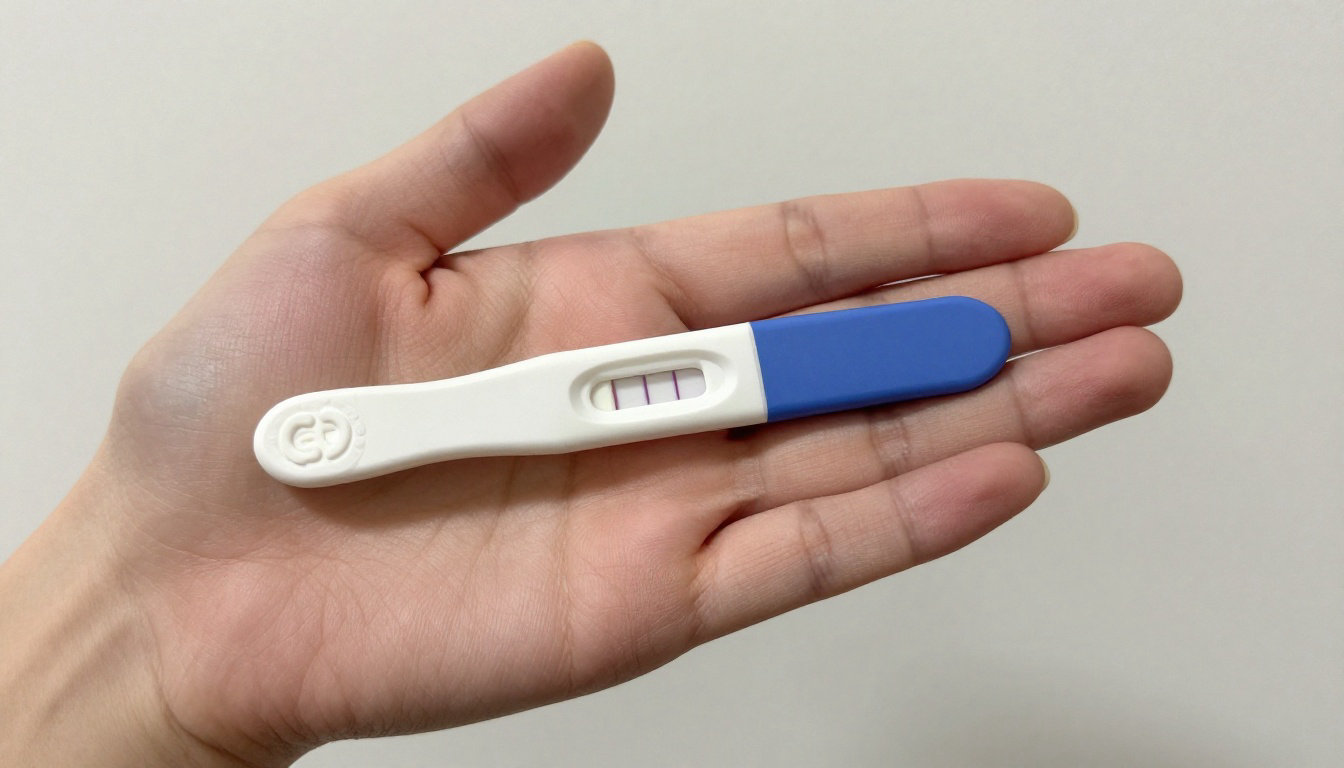
To pass the time lightly, you can also check out the Chinese calendar and its predictions. It's a fun way to project yourself while waiting for medical confirmation.
Managing a negative result despite a strong hunch
A false negative is a common reality early on. This often happens if the test is done too early. The hormone is simply not yet detectable enough. Keep hope despite this first result.
My advice is to wait a few more days before trying again. HCG levels rise very quickly over hours. Retesting after 48 hours often provides a much clearer and definitive answer.
Remain calm in the face of this sometimes stressful wait. If your period still doesn't arrive, consult a healthcare professional. Sometimes, the cycle is shifted by stress or late ovulation. Listen to your deep instinct.
Here are some tips to ensure the reliability of your next attempt:
- It is imperative to wait for a missed period
- Always use first morning urine
- Check the expiration date of the test
- Stay calm while waiting for the result
Adopting the right habits as soon as doubt sets in
While awaiting official confirmation, it is wise to adopt a protective lifestyle for yourself and your future child.
The crucial importance of folic acid now
Vitamin B9, or folic acid, prevents serious neural tube defects. Its role becomes crucial from the first cell divisions. It's an essential intake for your baby.
Start a course quickly to secure this development. Simply talk to your pharmacist or general practitioner. Daily supplementation ensures optimal growth from the start.
Diet alone is not always enough to cover these increased needs. Food supplements are there to perfectly secure this phase of life.
Adjusting your lifestyle and preventive diet
Take immediate precautions to protect your health. Stop alcohol and tobacco without a second thought. Also limit your daily caffeine consumption.

Opt for fresh, carefully washed produce for your meals. Hydrate regularly with water throughout the day. Rest remains your best ally right now.
You can already start to create a harmonious and stimulating nursery. Project yourself serenely into this beautiful adventure.
Identifying signs that require quick consultation
Learn to recognize truly serious warning signs. Violent abdominal pains should immediately worry you. Very heavy bleeding also requires a quick reaction.
In case of discomfort or high fever, contact emergency services. Early medical follow-up is always preferable for your safety. Your health remains the absolute priority here.
Healthcare professionals are there to reassure you. They will kindly check that everything is going well for you.
Between fatigue, sensitive breasts, and implantation, your body is already working intensely to welcome this future baby. Start taking folic acid and adopt a gentle lifestyle now while waiting to confirm this early pregnancy with a reliable test. Your instinct is your best guide for this adventure that is beginning.
FAQ
Is it possible to feel signs of pregnancy from the first week?
Yes, even if it's very early, some women notice slight changes. At this stage, the egg implants in the uterus, which releases the HCG hormone and progesterone. These changes can cause sudden fatigue, breast tenderness, or slight lower abdominal cramps.
Keep in mind that the absence of symptoms is also completely normal. Each body reacts at its own pace to this new biological adventure, and it often happens that you don't feel anything particular before a missed period.
How to differentiate implantation bleeding from a regular period?
Confusion is common, but a few clues can help you. Implantation bleeding is very light, often reduced to a few pinkish or brownish spots, and contains no clots. Unlike periods that last several days and intensify, this small discreet sign is brief and fades quickly.
If you notice bright red, heavy flow or accompanied by intense pain, it is more likely your usual cycle. In case of persistent doubt, a pregnancy test remains the most reliable solution to get clarity.
When is it best to take a pregnancy test for a reliable result?
Patience is your best ally here. Although some early tests promise results a few days before your expected period, it is recommended to wait until the first day of your missed period. This allows the HCG hormone to reach a sufficient threshold to be detected in your urine, ideally with your first morning urine.
If you have a very strong feeling despite a negative urine test, do not hesitate to ask your doctor for a blood test. This is the reference examination because it precisely measures hormone levels in the blood and can confirm a pregnancy as early as 8 to 10 days after fertilization.
What are the right things to do if I think I might be pregnant?
As soon as doubt sets in, it's wise to act as if the pregnancy is confirmed. The number one thing to do is to start taking folic acid (vitamin B9) to help with the proper development of the future baby. In terms of lifestyle, immediately stop alcohol and smoking, and make sure to wash your fruits and vegetables thoroughly.
Also remember to get more rest and stay well hydrated. If you are taking medication, ask your pharmacist or doctor for advice before continuing, as caution is advised from the very first days of embryonic life.
Why do you feel so tired at the beginning of pregnancy?
It's simply your body working intensely behind the scenes! The massive production of progesterone acts as a natural sedative, which explains your urges for impromptu naps. Your body mobilizes incredible energy to build the embryo's future nest and ensure its survival.
This fatigue can be accompanied by minor headaches or bloating, as your metabolism slows down to promote nutrient absorption. Listen to your body and allow yourself these necessary moments of rest; it's a sign that nature is doing its work.


