


Exercising while pregnant: moving safely
Key takeaway: regular exercise, 150 minutes per week, improves sleep and reduces stress while preparing the body for childbirth. This safe practice alleviates back pain and limits gestational diabetes. The memorable benchmark remains the talk test: you should always be able to talk without being out of breath to ensure the baby's well-being.
Are you worried that exercising during pregnancy might be risky for your baby, or do you simply feel too tired to move? This article guides you on how to maintain appropriate and safe physical activity, whether you are an athlete or a beginner, to have a peaceful pregnancy. You will discover how to boost your energy, relieve back pain, and prepare for childbirth with the benevolent advice of qualified professionals.
- Why moving does so much good during your pregnancy
- 5 top activities to stay active safely
- How to know if the effort is too intense for you?
- Adapting your routine throughout the trimesters
Why moving does so much good during your pregnancy
We often tend to imagine that we should remain immobile as soon as the test is positive. However, pregnancy is not an illness, and staying active is often the best option for living these nine months peacefully.
A cocktail of benefits for body and mind
Moving promotes better sleep quality and regulates your mood. Activity releases precious endorphins. This mental well-being helps to naturally reduce daily stress.
Gentle movement effectively prevents back pain, which is common in expectant mothers. It also helps reduce chronic fatigue. Your body gains flexibility and strength.
Regular activity helps manage physiological weight gain. It also limits the risks of gestational diabetes. It's a real boost for your metabolic health.
You regain lasting vitality. Your body remains toned, and your mind truly calms down.
The essential medical go-ahead before starting
Consult your midwife or doctor imperatively before starting. This safety step is non-negotiable for you. You can also consult the Chinese calendar for a girl or boy to anticipate the baby's arrival.
If you weren't active before, start very slowly. Never push beyond your current capabilities. The idea is to maintain fitness, not to achieve performance.
Learn to value your internal physical sensations. If pain appears, stop immediately. Your body sends you clear signals that you must respect.
Always be kind to yourself. Your body is already working tremendously every day.
5 top activities to stay active safely
Now that the basics are established, let's look concretely at which sports to favor for exercising safely.
Swimming and prenatal yoga to feel light
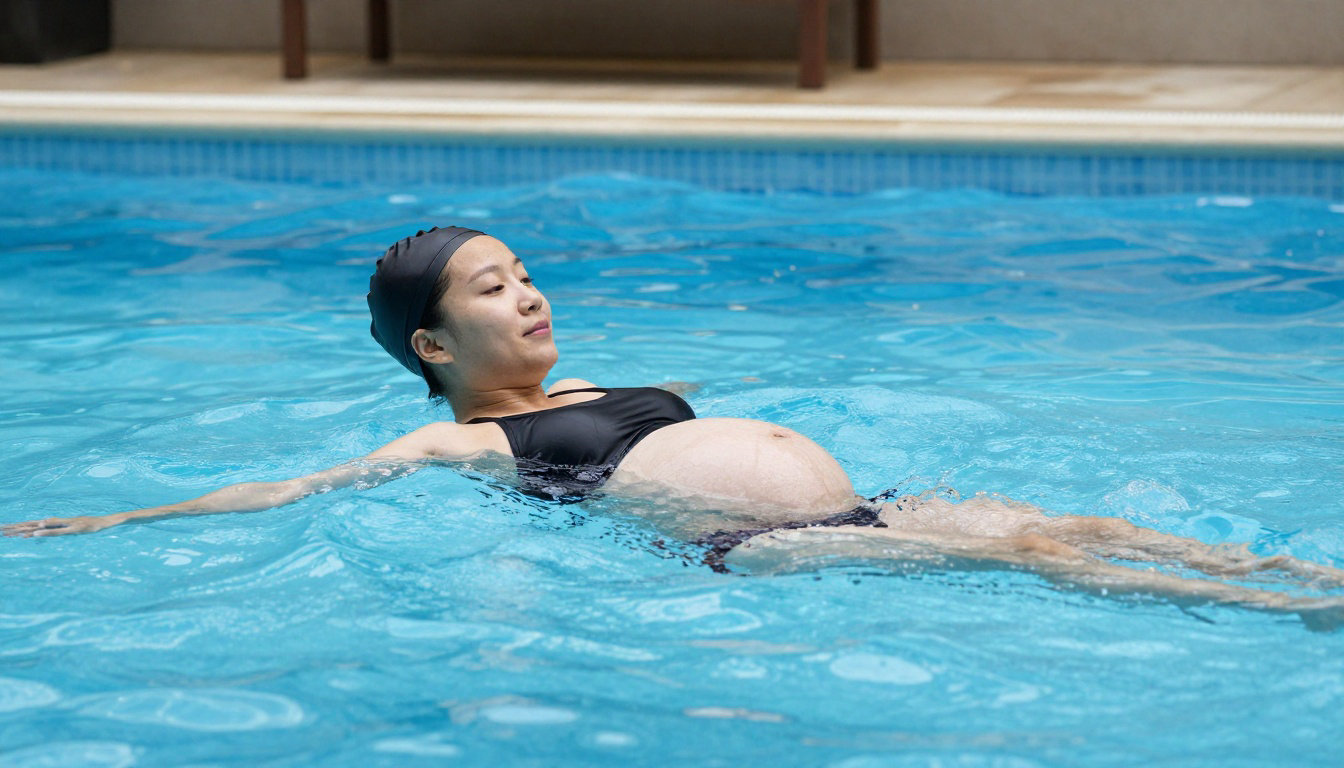
Water is your best ally. Weightlessness instantly relieves your joints and tired back. It's a real moment of relaxation for you and your baby.
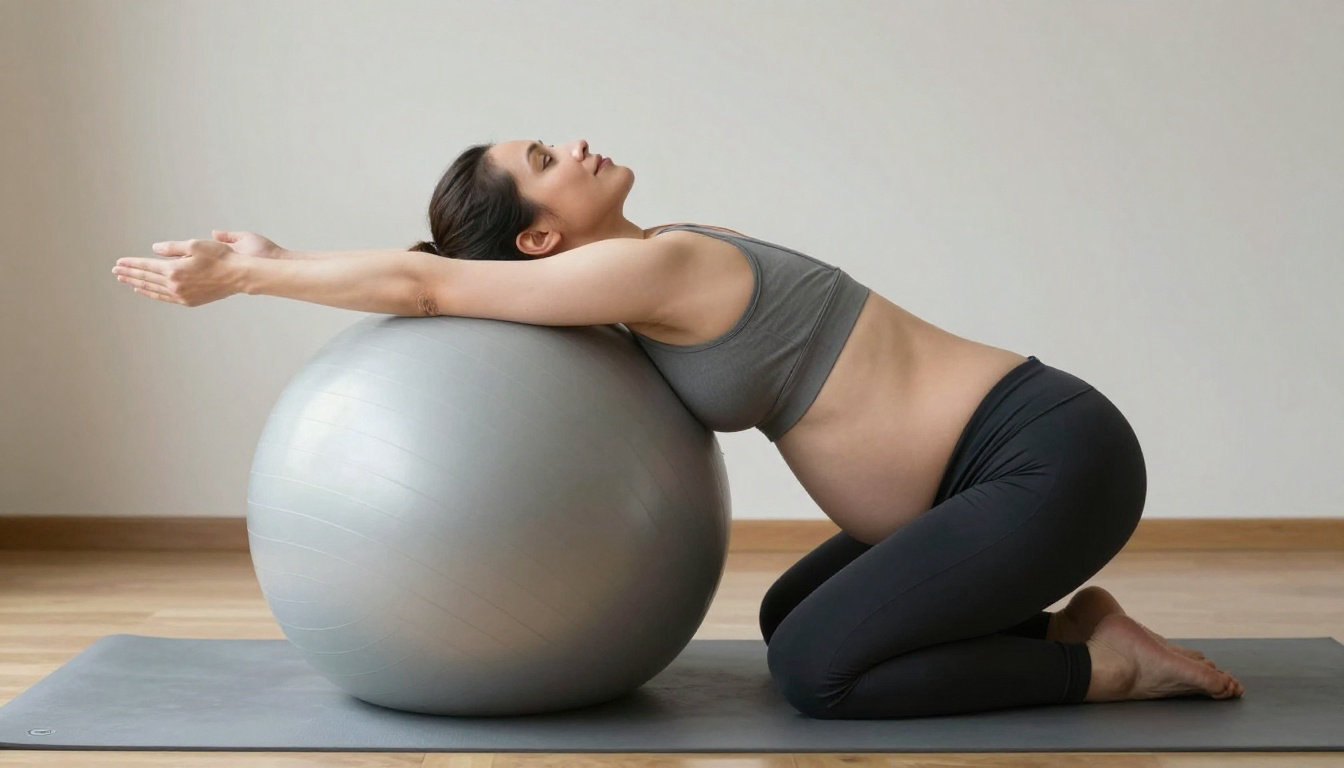
Prenatal yoga and Pilates are perfect for posture. We work on body alignment and flexibility gently. These disciplines also soothe daily stress.
Brisk walking and stationary biking remain safe bets. These are excellent, accessible, and easy-to-integrate cardio options into your schedule.
- Brisk walking for breathing
- Swimming for circulation
- Yoga for serenity
Disciplines to avoid to protect your belly
Temporarily forget about combat, contact, or high-impact sports. The risk of falling is too real during these months. It is imperative to protect the placenta and avoid sudden impacts.
Direct impacts on the abdomen represent an unnecessary danger. Your baby's safety comes before any athletic performance or competition with friends.
Certain floor positions also become unsuitable over time. Compression of the vena cava can cause discomfort or unpleasant dizziness.
| Sport | Identified risk | Recommended alternative |
|---|---|---|
| Boxing | Impacts | Yoga |
| Horse riding | Fall | Walking |
| Intense running | Impacts | Swimming |
| Skiing | Loss of balance | Gentle exercise |
How to know if the effort is too intense for you?
Engaging in activity is beneficial, but knowing where to set the limit is the key to successful practice.
Learning to decipher your body's warning signs
Moving feels great, but forget about pure performance. Aim for simple pleasure without reaching exhaustion. Your body is changing, so listen to it.
The talk test is a simple benchmark: you should be able to converse without being out of breath. If talking becomes difficult, slow down, because the intensity is too high. If your heart races more than usual during exertion, know that palpitations during pregnancy are common and rarely cause concern.
Certain signs require an immediate pause for rest. Dizziness or unusual contractions are serious warnings not to be ignored.
Be attentive to these signals:
- Bleeding
- Pelvic pain
- Severe headaches
Equip yourself well to move without discomfort or overheating
Your chest requires increased protection now. A high-support bra prevents pain. Also think about how to dress baby at night for their future comfort.
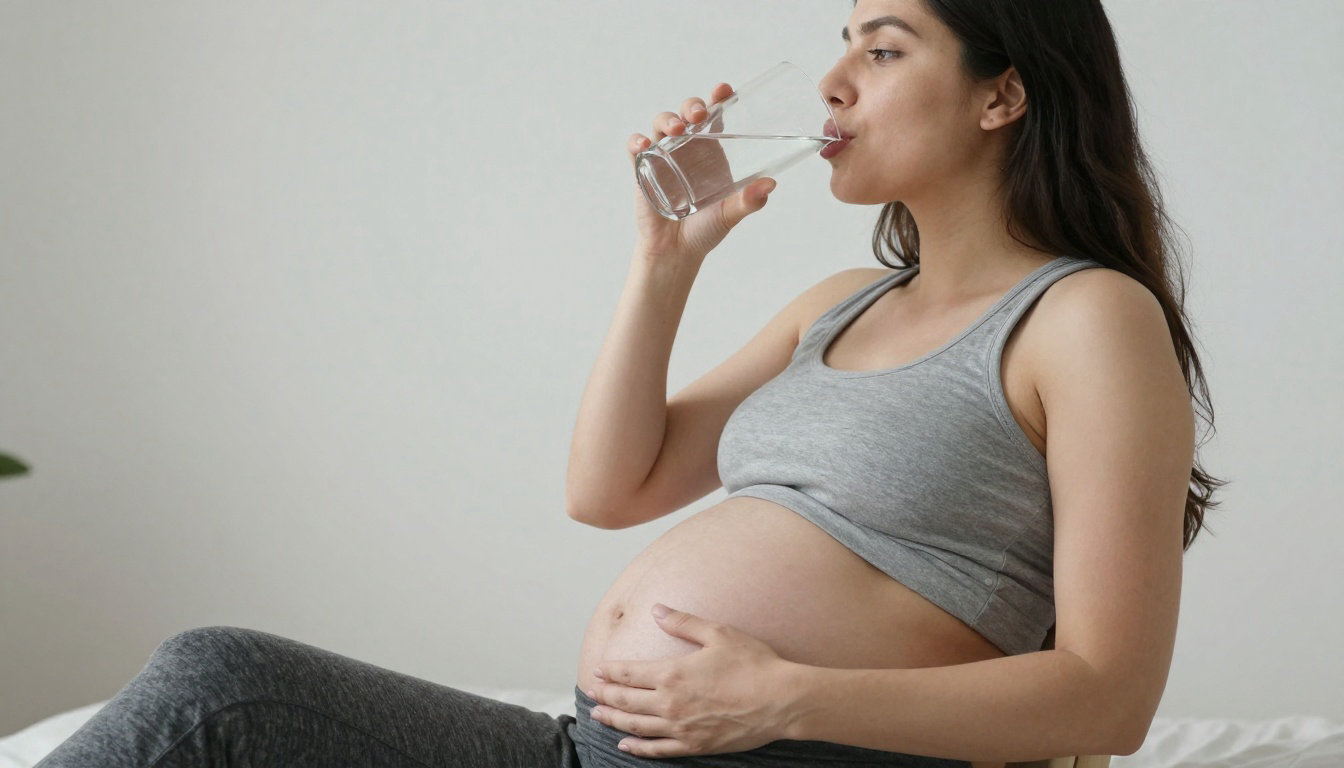
Hydration is your best ally to stay in shape. Drink water before, during, and after each pregnancy workout.
Avoid the hottest hours of the day. This limits any unnecessary risk of overheating, thereby protecting your health and your baby's.
Choose breathable clothing to maintain your motivation. Textile comfort is the basis for enjoying every movement with complete peace of mind.
Adapting your routine throughout the trimesters
Your body changes every month, so it's logical that your way of moving follows this natural rhythm.
Adjusting intensity as the term progresses
The first trimester is extremely tiring. Listen to your body and reduce intensity if needed. Sometimes, a good nap is a valuable substitute for a workout.
In the third trimester, your center of gravity shifts. Be careful when moving around. Arrange a harmonious and stimulating children's room to stay calm.
Stay positive by staying active. Simply set small, rewarding goals each week.
Don't feel guilty at all. Skipping a session is never a big deal.
Focusing on the perineum and breathing for what's to come
Practicing abdominal breathing helps to better manage contractions. Inhale through your nose, filling your belly, then exhale gently. It's a powerful tool for the big day.
Strengthening your pelvic floor is smart. A toned perineum really facilitates postpartum recovery.
Don't forget rehabilitation after birth. Always wait for the medical green light before resuming.
- Abdominal breathing
- Kegel exercises
- Pelvic stretches
Moving while expecting boosts your mood, reduces fatigue, and prepares your body for childbirth. Favor walking or swimming, listen to your body, and stay well-hydrated. Exercising safely during pregnancy ensures a peaceful pregnancy and easier postpartum recovery.
FAQ
Is it really recommended to exercise when pregnant?
Absolutely! The World Health Organization (WHO) even recommends maintaining physical activity for the well-being of both mother and baby. Moving helps release endorphins, which improves your mood and sleep quality, while reducing chronic fatigue often present in the first trimester.
Practicing adapted activity also helps prevent gestational diabetes and limit back pain. It's an excellent way to feel toned and serene while awaiting your little one's arrival.
What are the safest exercises for an expectant mother?
The ideal is to favor gentle, low-impact activities. Brisk walking, swimming, and aqua aerobics are perfect because the water relieves your joints. Prenatal yoga, gentle Pilates, and stationary cycling are also very good options for maintaining your breath and flexibility without risk.
If you like to be guided, circuit training with TRX is a good example of a possible activity, provided the movements are adapted. The essential thing is to choose a discipline you enjoy and to listen to your body's sensations, session after session.
How do I know if I'm pushing too hard during my workout?
A very simple benchmark to use is the "talk test": you should be able to maintain a conversation without being out of breath. If talking becomes difficult, it's a sign you need to slow down. The effort should remain "somewhat difficult" but never exhausting.
It is crucial to stop immediately if you feel dizzy, experience unusual contractions, or pelvic pain. Here, the goal is well-being and vitality, not athletic performance.
Are there any sports that should be avoided to protect the baby?
Yes, for caution, it is advisable to put aside combat sports, contact sports, or those with a high risk of falling such as skiing, horse riding, or judo. It is imperative to protect the placenta and avoid brutal impacts on the abdomen.
Underwater diving and very high-intensity activities that could cause body overheating should also be avoided. Your baby's safety is the priority; you will find your favorite disciplines again after birth!
Should I seek medical advice before starting?
This is a non-negotiable safety step. Before starting or continuing your routine, always get the green light from your doctor or midwife. They will check that there are no specific contraindications for your pregnancy.
Once approved, do not hesitate to seek guidance from qualified professionals. They will know how to adapt the exercises according to your form on the day and the stage of your term for confident practice.


