


Key takeaway: the first tooth usually appears around 6 months, but the eruption window extends from birth up to 14 months without concern. To soothe swollen gums, prioritize cold and massages over dangerous amber necklaces. Brushing with a rice-grain amount of fluoride toothpaste is essential from the first eruption.
Is your baby crying, drooling a lot, and seemingly inconsolable because their first baby tooth is coming in? This practical guide helps you decipher the signs of teething and anticipate the order of eruption of baby teeth. Discover our gentle solutions to soothe their sore gums and our expert advice to establish an effective brushing routine from the first eruption.
- When to expect your baby's first tooth?
- How to tell if your child is teething?
- 5 gentle methods to relieve teething pain
- Successful first brushing and protecting baby teeth
- Tips for calm nights despite teething
When to expect your baby's first tooth?
After the first few months of discovery, a new stage often marks parents' lives: the appearance of the first baby teeth.
Average age and variations of the first eruption
Most babies see their first baby tooth appear around six months. This is a common benchmark for parents. However, each child develops differently.
The eruption window is wide. Some are born with a tooth, others wait fourteen months without any concern.
Don't compare your little one to others. Biological rhythm is unique. The absence of a tooth at one year old is not necessarily a medical red flag.
The usual order of eruption of baby teeth
The lower central incisors generally lead the way. They often appear in pairs at the bottom. This is the beginning of a long process. The upper incisors usually follow very closely to complete the smile.
Molars and canines then arrive gradually. They fill the empty spaces on the sides of the jaw.
The full set of twenty teeth is complete around three years old. Your child will then have their final temporary dentition.
The usefulness of these small temporary teeth
These teeth are vital for effective chewing. They allow for diversifying the diet with solid pieces. Baby thus learns to grind their first solid foods.
They also play a major role in language acquisition. Sounds are formed through the contact of the tongue with the teeth. This is essential for clear articulation.
They guide the permanent teeth. They keep the necessary space in the bone.
How to tell if your child is teething?
Identifying warning signs helps to anticipate your child's needs and better understand their temporary discomfort.
Physical and mood changes to watch out for
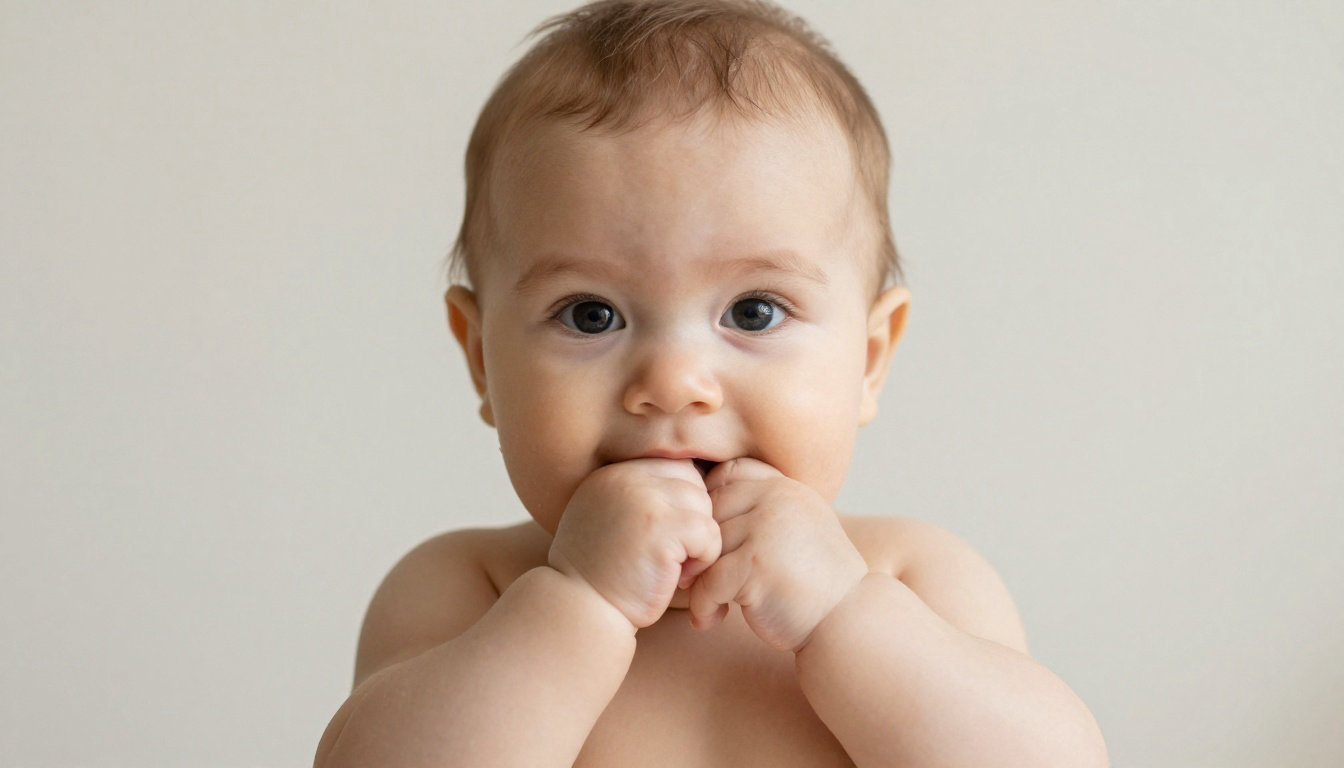
Abundant salivation is often the first visible sign. Baby wets their clothes very quickly. They also become more grumpy and irritable for no apparent reason.
The need to gnaw on everything they can get their hands on is compulsive. They try to massage their gums through pressure. Their cheeks can become very red.
Sleep sometimes becomes fragmented. Night awakenings are more frequent during these phases of intense eruption.
Observe gum changes before eruption
Look closely inside their mouth. A swollen or very red gum indicates local inflammation. This is a sign that the tooth is pushing hard. Sometimes, a small bluish cyst may appear just before eruption.
Don't panic at this discoloration. It is a perfectly normal accumulation of fluid.
Gently feel with a clean finger. You may feel a small hard point under the thin mucous membrane.
Distinguishing teething from a real health concern
A slight fever can accompany eruption. However, it should not exceed thirty-eight degrees Celsius. Beyond that, the cause is probably elsewhere. So be very vigilant.
Diarrhea is not a normal symptom of teething. Loose stools are possible due to swallowed saliva. But true diarrhea requires medical attention.
If your child seems truly unwell, consult a doctor. A doctor will be able to rule out an ENT or digestive infection.
5 gentle methods to relieve teething pain
Fortunately, there are simple and natural solutions to relieve these difficult times without necessarily resorting to medication.
Massages and cold to calm inflammation
Manual massage is very effective. Use your clean index finger to gently rub the sensitive area. The pressure applied provides immediate relief to baby.
A cool, damp washcloth also works wonders. Let the child chew on it under your supervision. Cold acts as a natural anesthetic.
This reduces local inflammation quickly. It's a free and easy tip to implement anywhere.
Selecting safe teething objects
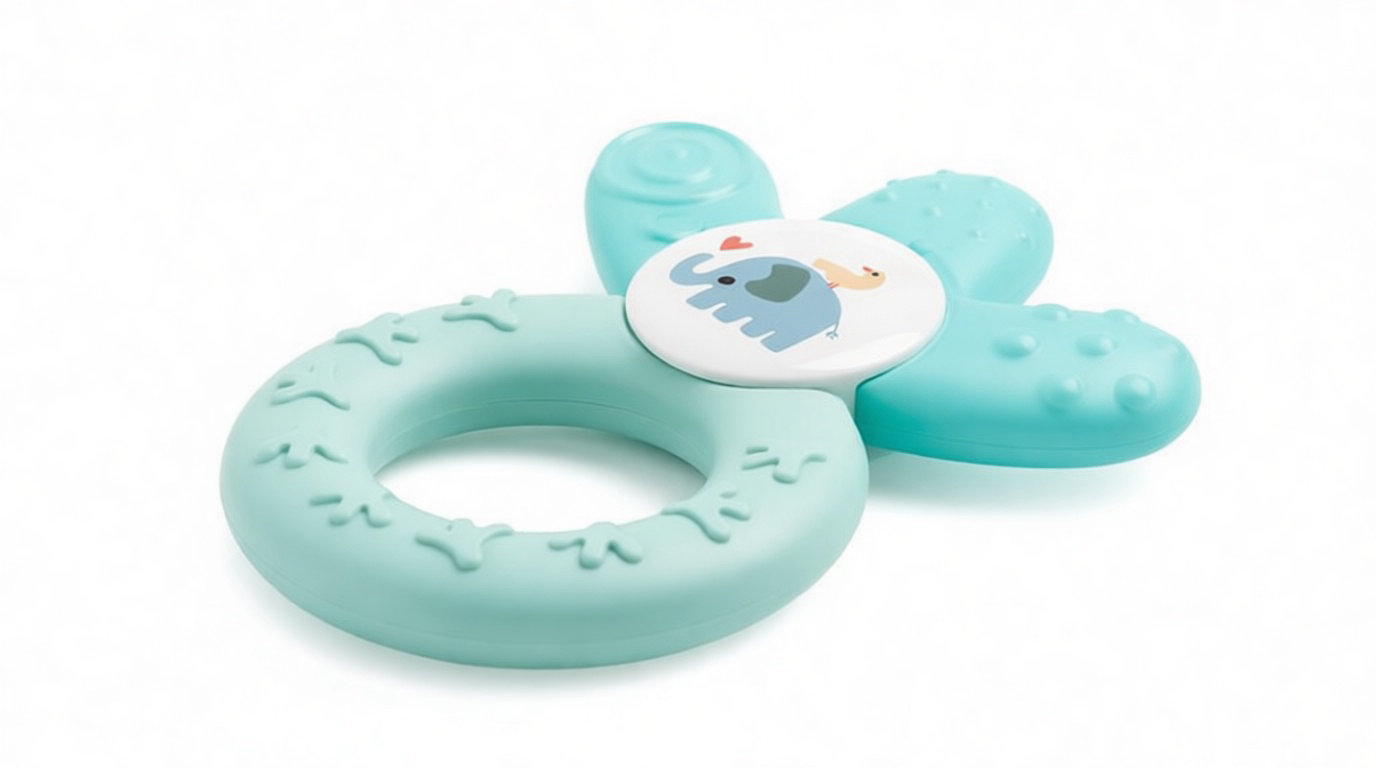
Teething rings are valuable allies. Choose models that can be put in the refrigerator. Be careful, never put them in the freezer. An overly frozen object could burn your infant's delicate gums.
Always check the solidity of the plastic. No pieces should be able to detach during repeated biting.
- Refrigerated rings
- Natural rubber toys
- Mesh pouch for fresh fruit
Products and remedies to avoid as a precaution
Forget amber or teething necklaces. They present a real risk of strangulation or choking. Your child's safety comes before unproven popular beliefs.
Avoid gels containing benzocaine. This component is dangerous for young children. Prefer homeopathic solutions or simple massages without chemicals.
Do not give sugary teething biscuits. They promote cavities even before the first baby tooth appears.
Successful first brushing and protecting baby teeth
Once the tooth has erupted, a new routine must be established to ensure perfect oral hygiene from the start.
Adopting good brushing habits from the beginning
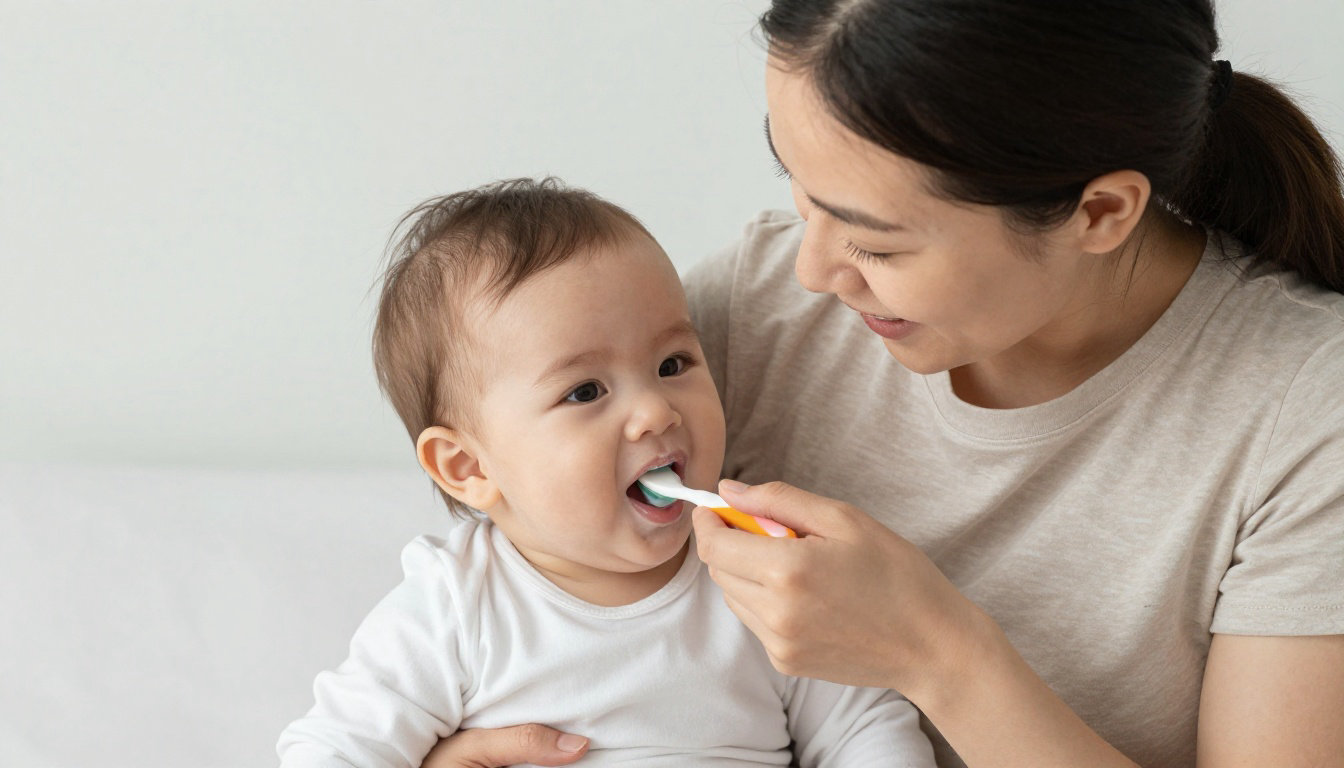
Brushing begins as soon as the first visible tooth appears. Don't wait until the jaw is full. Use a very soft brush suitable for babies to avoid injury.
Apply a tiny amount of fluoride toothpaste. A rice-grain size is more than enough. Brush gently twice a day, morning and evening before bedtime.
Establishing these cares also helps prepare for a harmonious and stimulating child's room for their routine. A calm environment facilitates this moment.
Preventing early cavities and bad habits
Baby bottle syndrome is a serious risk. Never let your child fall asleep with milk or juice. Sugar remains on the teeth all night. This causes very aggressive and painful cavities quickly.
Offer water between meals. It is the only essential drink that naturally rinses baby's mouth.
Clean gums with a damp compress before teeth appear. This accustomed the child to contact in their mouth.
Calmly organizing the first dental appointment
Plan the first visit around one year of age. This is the ideal time for a preventive check-up. The dentist will check growth and provide personalized advice for the future.
Present this appointment as a positive adventure. Do not show your own stress. The child must feel confident in this new, very calm medical environment.
Regular follow-ups prevent more extensive treatments later. It's an investment in their future adult smile.
Tips for calm nights despite teething
Nights can be challenging, but a few adjustments to your daily routine will help the whole family sleep better.
Getting back to sleep during painful episodes
Cuddles are the best remedy for nocturnal anxiety. Your presence greatly reassures the child who is suffering. Maintain a very stable bedtime routine. This makes baby feel secure and helps them calm down despite the discomfort of teething.

Also remember to check how to dress baby at night for their comfort. A stable temperature helps with rest.
If the pain is too severe, ask for advice. Acetaminophen can be used according to the child's exact weight.
Adapting meals to the needs of their gums
Favor fresh and smooth foods. Compotes taken from the fridge are perfect. They calm the heat of the gums while nourishing your little one.
Baby may refuse warm breast milk or formula. Sucking can sometimes increase local pain. Be patient and offer warmer or colder meals.
Ensure constant hydration. The loss of saliva must be compensated by regular water intake.
Turning dental hygiene into playtime
Sing a short song. This makes brushing fun and anticipated every evening.
Let them handle their own toothbrush. They need to get used to the object themselves. This is a key step for autonomy and acceptance of daily care without tears.
| Symptom | Probable Cause | Recommended Action |
|---|---|---|
| Red Gums | Local inflammation due to eruption. | Massage with a clean finger or a cool washcloth. |
| Drooling | Natural reaction to gum irritation. | Wipe frequently and protect skin with a balm. |
| Fever > 38.5°C | Possible infection, often unrelated to teething. | Consult a pediatrician to rule out another illness. |
| Biting/Gnawing | Need to press to relieve pain. | Offer a refrigerated (not frozen) teething ring. |
The arrival of the first baby tooth is a key stage that requires patience and gentleness. Monitor swollen gums, prioritize cold to soothe discomfort, and brush from the first eruption with appropriate care. Your little one will quickly regain their smile and peaceful nights to grow up serenely.
FAQ
At what age will my baby get their very first tooth?
As a general rule, the first small tooth appears around 6 months. This is a common benchmark, but don't worry if your child doesn't follow this precise schedule.
Every baby is unique: some are born with a tooth, while others wait until 14 months to start their first toothy smile. The important thing is to respect your little one's biological rhythm without comparing them to others.
What are the signs that show baby is teething?
Several clues can tip you off. You'll often notice more abundant drooling, a compulsive need to chew on everything they find, or very red cheeks. Their mood can also change: they sometimes become more grumpy or irritable.
Physically, their gums may appear swollen or have a small, perfectly normal bluish cyst. If you notice a slight fever (less than 38.5°C) or fragmented sleep, it's probably an ongoing teething phase.
How can I naturally relieve my child's teething pain?
Cold is your best ally. You can offer your baby a refrigerated (never frozen) teething ring or gently massage their gums with a cool, damp washcloth. Massaging with a clean finger also provides immediate relief due to the pressure.
For babies who have started solids, a mesh pouch containing fresh fruit or cold foods can calm inflammation while being delicious. It's a gentle and safe method to soothe their sensitive gums.
What products are not recommended during teething?
As a safety measure, it is absolutely essential to avoid amber or teething necklaces, as they present a real risk of strangulation. Also avoid overly sugary teething biscuits, which promote early cavities, as well as gels containing benzocaine.
Always prefer simple solutions like massage or natural rubber objects. Your vigilance is essential to protect your child from the risks of choking or toxicity associated with certain commercial products.
When should the first dental appointment be scheduled?
The ideal is to schedule this first meeting around 1 year of age, or about six months after the appearance of the very first tooth. This preventive appointment allows your child to become familiar with the dental office environment gently, without stress.
It's also an opportunity for you to receive personalized advice on brushing and diet. Early follow-up is the best way to ensure a radiant smile in the future and avoid more extensive treatments later on.
How to properly brush my baby's teeth from the beginning?
Brushing should begin as soon as the first tooth is visible. Use a very soft toothbrush suitable for toddlers and a tiny amount of fluoride toothpaste, only the size of a grain of rice. Brushing morning and evening is sufficient to establish a good routine.
To prevent "baby bottle syndrome," absolutely avoid letting your child fall asleep with a bottle of milk or juice. Water remains the only essential drink between meals to naturally rinse their little mouth.


