

Key takeaway: a pacifier meets the non-nutritive sucking need to soothe baby and ensure their sleep. This natural reflex releases endorphins, offering immediate comfort against external stimuli. Using an appropriate pacifier helps regulate emotions while reducing, according to some studies, the risk of sudden infant death syndrome thanks to clearer airways.
Does your newborn cry intensely in the evening and seem to have an irrepressible need to suck that your arms can no longer satisfy? Offering a pacifier from birth can become a true emotional cocoon, meeting this natural physiological reflex while reassuring your little treasure. This article guides you on choosing the ideal model and introducing it calmly, with the promise of calmer nights and a perfectly soothed baby.
- Pacifier from birth: understanding the need to suck
- 3 criteria for choosing your newborn's pacifier
- How to introduce a pacifier without disrupting breastfeeding?
- Daily care and safety for serene use
Pacifier from birth: understanding the need to suck
You've probably noticed that your newborn tries to suck even after feeding. This is a powerful instinct that often makes us wonder, but rest assured, this physiological need is completely normal for their balance.
The natural reflex of non-nutritive sucking
Sucking is a vital archaic reflex. It allows the newborn to self-soothe outside of nutritive feedings. It's a primary biological need, just as important as choosing a gender-neutral baby name for 2026 for their identity.
This action releases endorphins in the infant, providing an immediate and deep sense of security.
Baby thus finds their intrauterine bearings. Comfort is instant.
A tool to regulate baby's emotions
The pacifier helps calm intense evening crying. It acts as a mediator against overwhelming external stimuli. The child manages to self-soothe more easily. It's a precious support for tired parents, much like consulting a Chinese gender prediction chart to anticipate the future.
It reduces anxiety during care or changes in environment. The baby remains calm despite the surrounding commotion.
The link with sudden infant death prevention
Studies suggest that the pacifier keeps the airways clear. It would promote safer sleep during the night. Health authorities sometimes mention it.
Gentle sucking prevents overly deep and risky sleep. This provides an additional safeguard for vigilance.
This is a recommendation often shared in maternity wards. Safety remains the absolute priority.
3 criteria for choosing your newborn's pacifier
Now that its usefulness is clear, let's see how to find the perfect model among the jungle of baby products.
| Criterion | Silicone | Rubber |
|---|---|---|
| Resistance | High, durable. | Soft, wears out. |
| Taste | Neutral. | Marked latex. |
| Origin | Synthetic. | Natural. |
| Hygiene | Easy sterilization. | Frequent replacement. |
Silicone or rubber: which material to prefer?
Silicone is transparent and odorless. It resists repeated sterilization in the machine very well. It's the choice of absolute neutrality.
Rubber, being softer, resembles the texture of skin. It is natural but wears out faster.
Observe your child's reactions. Each baby has their personal preference.
Physiological or anatomical shape for the palate
The physiological teat is asymmetrical to respect the shape of the palate. It mimics the flattening of the nipple in the mouth. This shape limits the risk of dental deformations.
The anatomical model is symmetrical and can be placed in any direction. It is practical because baby can't get it wrong.
The importance of an aerated and adapted shield
A newborn's skin is delicate. A well-aerated shield prevents irritation due to saliva. Ventilation holes are essential.
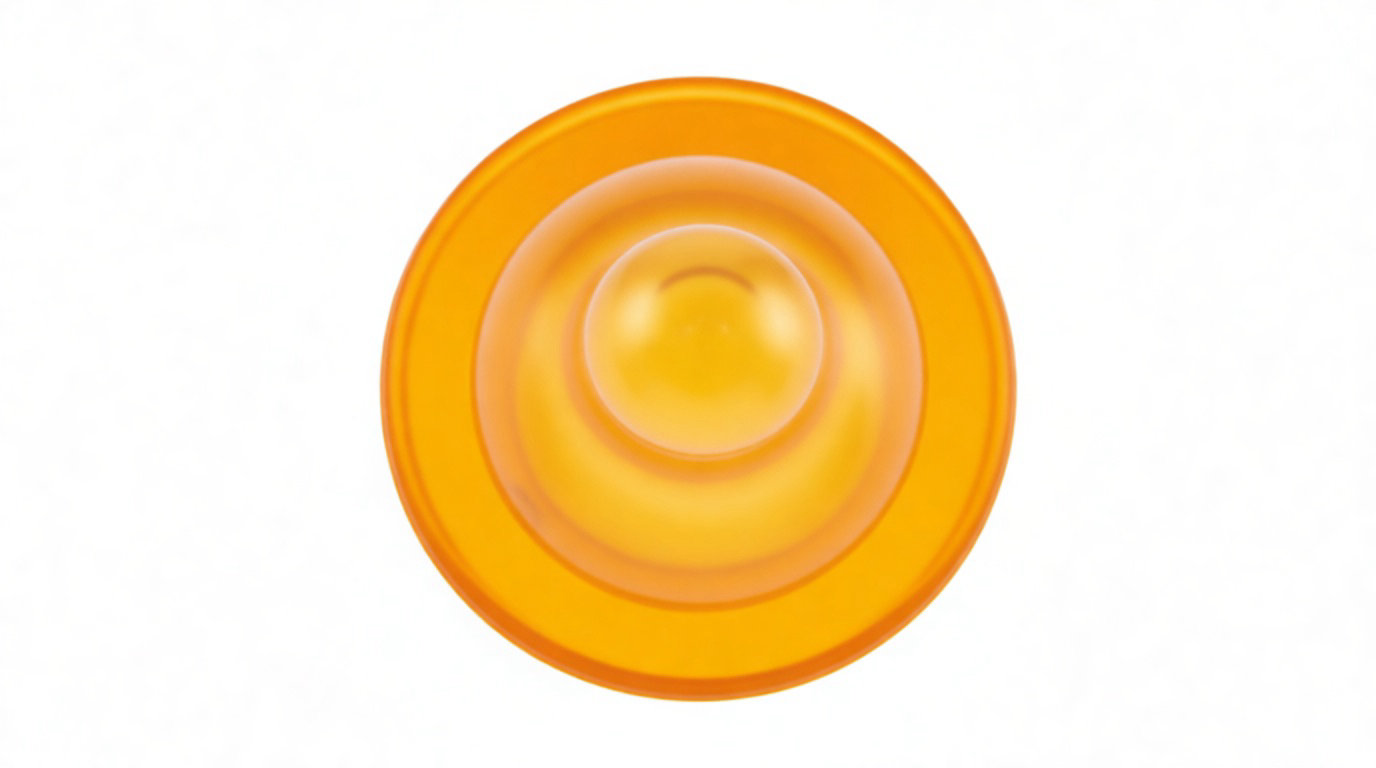
For night-time use, prefer models without a ring. This avoids marks on the face upon waking.
The size must correspond to their age. Double-check the label for an appropriate pacifier from birth.
How to introduce a pacifier without disrupting breastfeeding?
A question that often comes up is: is it compatible with the breast? Here's how to manage this coexistence smoothly.
Wait for lactation to be established
It is advisable to wait about one month after birth. Lactation should be well established and feedings regular. This prevents confusion between the breast and the teat. The baby must first master natural sucking.
Introducing it too early could reduce breast stimulation. Be patient to ensure a good start. Breastfeeding remains the priority in the first weeks, just like choosing how to dress baby at night for their comfort.

Observe weight gain. If all is well, go for it without fear.
Tips for a gentle introduction
Never force your child to take the object. Offer it when they are calm but not hungry. Gently touch their lips to pique their natural interest, much like carefully preparing how many diapers for baby before an outing.
Use the pacifier only for comfort or falling asleep. It should not replace a hug or a feeding. Keep its use occasional and thoughtful to preserve your bond.
If baby rejects it, don't insist too much. Try again a few days later without any stress.
Daily care and safety for serene use
Once adopted, the pacifier requires impeccable hygiene to protect your little treasure's health.
- Sterilize in boiling water for 5 minutes.
- Daily cleaning with soapy water.
- Check for cracks or a sticky appearance.
- Systematic replacement every 2 months.
Sterilization and hygiene of the first pacifier
Before the very first use, sterilization is mandatory. Immerse the object in boiling water for five minutes. Then let it cool and expel any residual water.
Daily, a wash with soapy water is perfectly sufficient. Always rinse thoroughly with clear water afterwards.
Avoid licking the pacifier. You could transmit your own bacteria.
Identifying signs of wear and replacement
Inspect the teat before each use by pulling on it. Look for micro-cracks or suspicious discoloration. If the material becomes sticky, discard it immediately. Your infant's safety is at stake here.
A systematic replacement every two months is strongly advised. This limits the risk of material breakage.
Accessories to make parents' lives easier
The pacifier clip prevents repeated falls. Choose a short model that complies with safety standards. It's a practical accessory for outings.
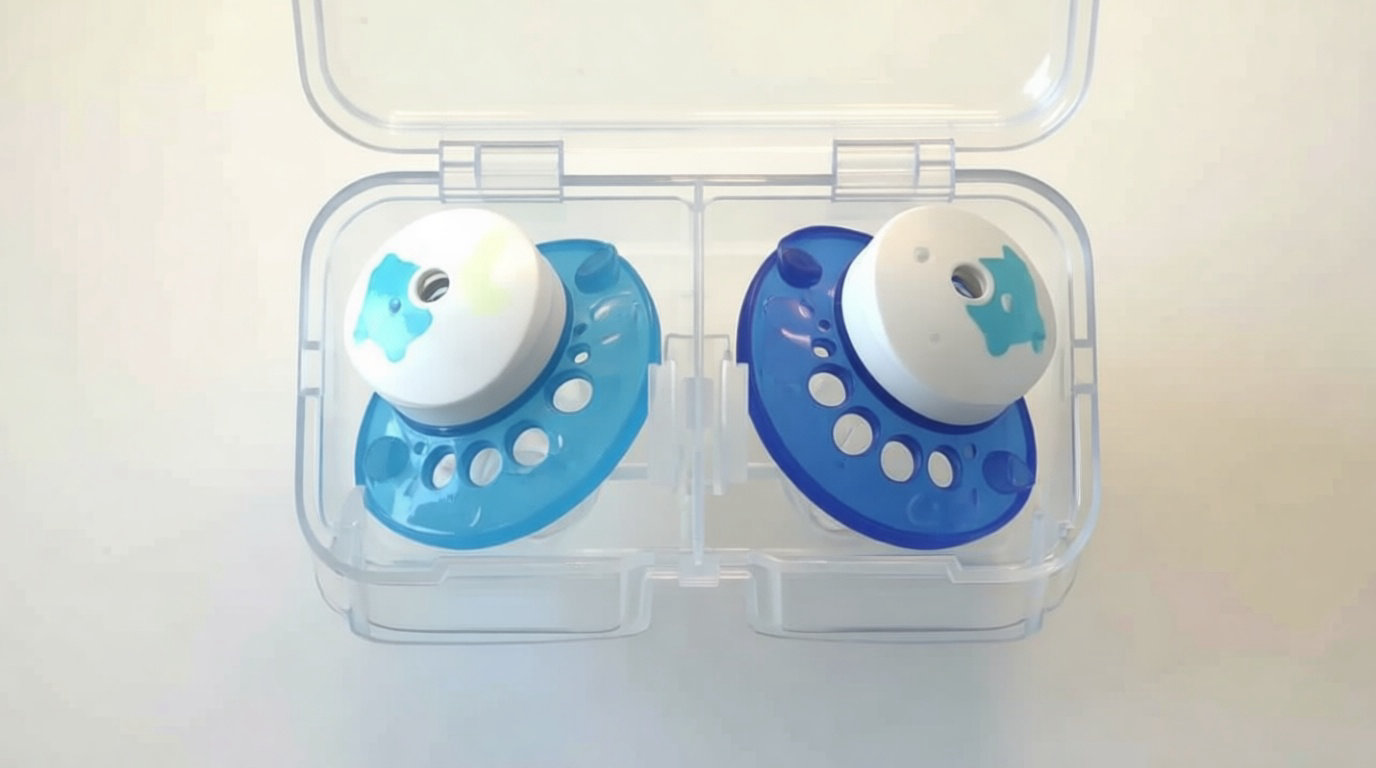
Fluorescent models help to find the object in the dark. This avoids waking everyone up at night. A carrying case is also useful.
The need for sucking is a natural reflex that soothes and reassures your newborn from their first days. For serene use, opt for an adapted physiological shape and wait until breastfeeding is well established. Offer this cocoon of softness to your baby now for peaceful nights and confident awakenings.
FAQ
Is it a good idea to give my baby a pacifier from birth?
A pacifier can be offered from the first days, especially if your baby is bottle-fed. It meets a very strong physiological sucking need that helps them calm down and feel secure. It's a true "emotional cocoon" that also promotes more serene sleep.
However, if you are breastfeeding, it is often recommended to wait about a month until lactation is well established. This helps avoid any confusion for your little one and ensures that latching on is perfectly mastered before introducing the pacifier.
What is pediatricians' opinion on pacifiers and the prevention of sudden infant death syndrome?
Many pediatricians emphasize that pacifier use during sleep could have a protective effect against Sudden Infant Death Syndrome (SIDS). It would particularly help keep the airways clear and promote more regular breathing during the night.
However, be careful: this use must be accompanied by usual safety rules, such as putting the baby to sleep on their back on a firm mattress. Also note that you should never use a pacifier clip during sleep to avoid any risk of strangulation.
How to choose between a silicone and a rubber pacifier?
Silicone is transparent, odorless, tasteless, and very durable. It is often the choice of simplicity for parents. Rubber (latex) is softer and brown; its texture is more similar to skin, which many infants like, even if it wears out a little faster.
My mom's advice: don't hesitate to try both materials. It's often baby who will have the last word and show you their preference! Just remember to check the condition of the teat regularly and change it about every 2 months.
Can the pacifier deform my child's teeth?
No immediate worry: any potential deformations are generally minor and reversible if use remains reasonable. Professionals recommend prioritizing models with an extra-thin base (often called physiological) that better respect the anatomy of the mouth and gum growth.
The point of vigilance is more around 2 or 3 years of age. It is at this age that it is advisable to start reducing its use to allow permanent teeth and language to develop smoothly, without obstruction in the mouth.
What hygiene precautions should be taken daily?
For the first use, a 5-minute sterilization in boiling water is essential. Afterward, daily cleaning with soapy water is sufficient. An important tip: avoid "cleaning" the pacifier by putting it in your own mouth, as you could transmit your bacteria to your newborn.
Finally, always inspect the pacifier by pulling on the teat. If you see a micro-crack or if the material becomes sticky, it's a sign that it needs to be replaced immediately to ensure total safety for your little treasure.


