


Baby Teething: How to Relieve Gum Pain?
Key takeaway: Teething causes real discomfort but never a fever above 38°C or diarrhea. To relieve swollen gums, favor cold and gentle massages over amber necklaces or anesthetic gels, which are considered dangerous. A striking fact: each tooth takes an average of eight days to erupt.
Is your little treasure crying, drooling a lot, and seemingly inconsolable due to baby teething that's disrupting your nights? This practical guide helps you identify real signs, like red cheeks or the need to chew, so you no longer confuse this inevitable phase with simple fatigue. Discover our gentle and safe solutions, from gum massage to the use of cold, to finally soothe their pain effectively.
- How to recognize baby teething?
- The usual schedule for first teeth
- 3 gentle solutions to relieve pain
- Safety reflexes and baby's health
How to recognize baby teething?
After calm nights, your little one suddenly seems transformed, and certain signs are unmistakable.
Visible physical signs on their face
Carefully observe your child's gums. They often appear red, swollen, or slightly bumpy. This is a sign that the tooth is working deeply under the mucous membrane.
Hypersalivation is another major indicator. Your baby produces a lot of drool to protect their irritated tissues. Their cheeks then become very red and warm to the touch. They also try to bite everything they can get their hands on with force.
Here are the main symptoms to watch out for:
- Swollen gums or eruption cyst.
- Abundant saliva and constant drooling.
- Scarlet cheeks and sometimes irritated skin.
- Rubbing ears or cheeks.
Don't hesitate to consult to learn all about baby hemangioma and not confuse these temporary red spots with a birthmark.
Changes in behavior and mood
Irritability becomes sudden and sometimes difficult to manage. Your baby cries more often for no apparent reason. They seem restless and constantly demand to be held for reassurance.
Nights become fragmented with frequent awakenings. The pain is often more severe when the child is lying down.
Do not confuse this real suffering with a passing tantrum. Dental pain is throbbing and exhausting. Be patient and offer them all the comfort they need during this phase.
Also remember to check how to dress baby at night to limit discomfort related to heat during crises.
The usual schedule for first teeth
While each child develops at their own pace, there is still a classic chronology for these arrivals.
The chronological order of tooth eruption
The lower incisors usually erupt first around six months. Then, the upper incisors appear. This order allows the baby to start gnawing on more solid foods.
Premolars and canines gradually follow during the second year. Finally, the second molars conclude the process around thirty months. Each stage marks an evolution in their diet.
| Tooth Type | Average Age of Eruption | Main Role |
|---|---|---|
| Incisors | 6 - 12 months | Cutting |
| First Molars | 13 - 19 months | Grinding |
| Canines | 16 - 22 months | Tearing |
| Second Molars | 25 - 33 months | Grinding |
The actual duration of a teething crisis
Tooth eruption lasts an average of eight days per tooth. The pain is often more intense just before eruption. Once the white tip breaks through the gum, relief is almost immediate. It is a natural but trying physiological process.
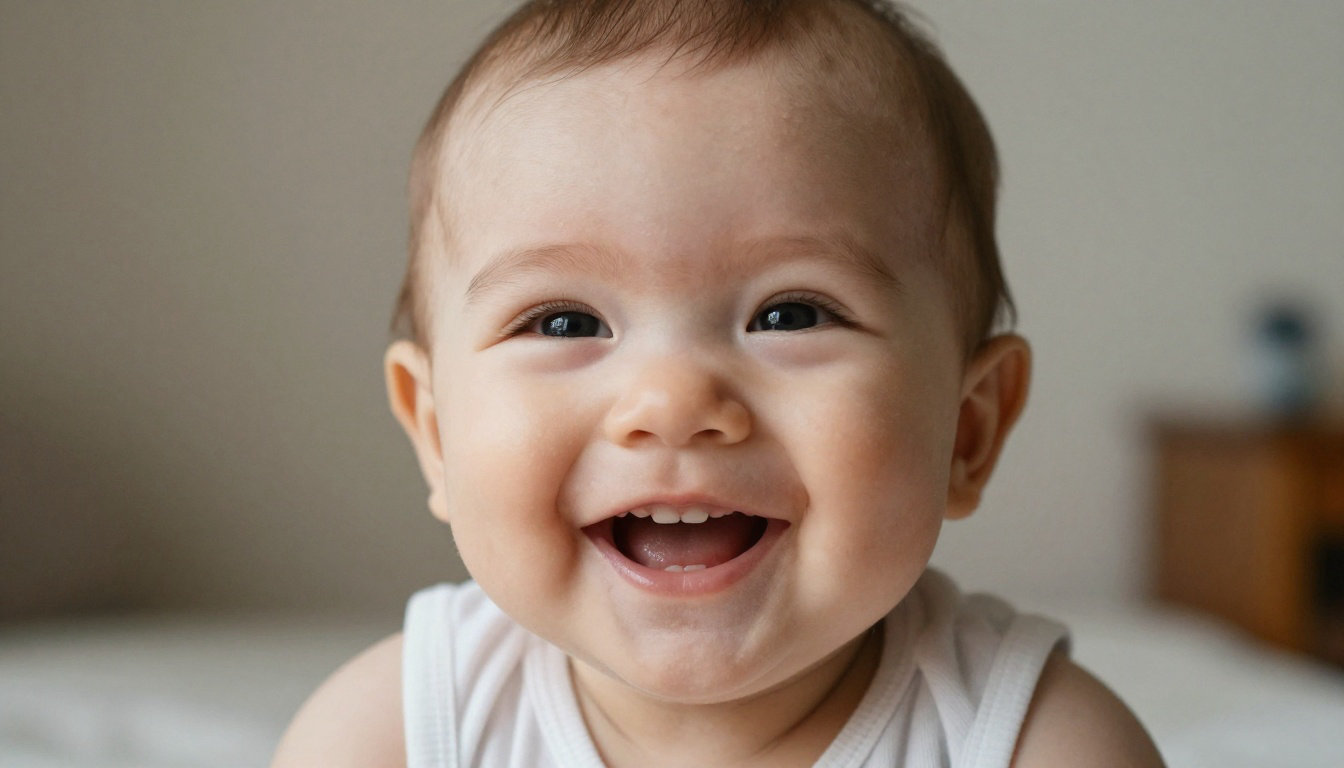
The baby's body expends a lot of energy for this work. This can temporarily weaken their immune defenses. It is therefore normal to find them more tired than usual.
Also consider the Chinese calendar and its prediction of a girl or boy for parents who are already planning for the future.
3 gentle solutions to relieve pain
Faced with these sometimes long episodes, you can take concrete action with simple and natural methods.
Cold and gum massage
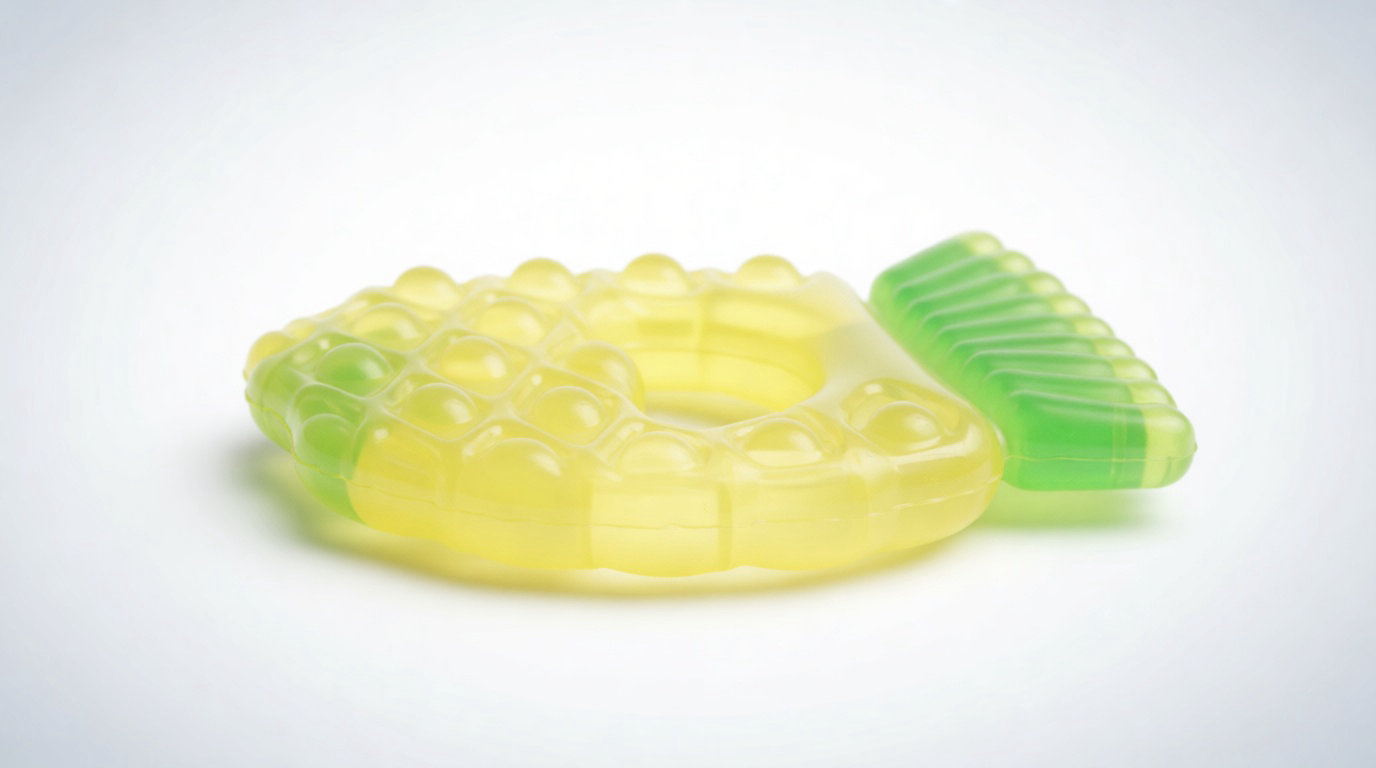
Cold is an excellent natural anesthetic for inflamed tissues. Offer a teething ring previously placed in the refrigerator. The feeling of freshness will instantly soothe local inflammation.
Manual massage also works very well to relieve tension. Wash your hands thoroughly before starting. Gently rub the gum with your index finger in circles. Your child will appreciate this pressure which counterbalances the tooth's pressure.
- Refrigerated rings
- Cold washcloths
- Fresh vegetable sticks (under supervision)
- Circular massages
Remember to consult our guide to find out how many diapers for baby are necessary to always use a clean cloth when massaging your little one when baby is teething.
Comfort through babywearing and cuddles
Physical proximity releases oxytocin, the well-being hormone. Carry your child in a sling or ergonomic baby carrier. Your body heat and heartbeats will provide lasting comfort.
The skin on the chin often suffers from excess drool. Apply a mild protective cream to prevent skin irritation. Gently dab the face without rubbing to avoid worsening redness.
Take the time to cuddle your little treasure. This emotional support is just as effective as physical remedies.
Feel free to reread our advice for creating a harmonious children's room to promote a serene environment during these sometimes restless nights.
Safety reflexes and baby's health
Despite your vigilance, it is essential to know when a situation requires professional medical advice.
Distinguishing teething from an infection
Teething can cause a slight rise in temperature. However, it never exceeds 38°C. If the fever is higher, look for another cause such as an ear infection.
Be attentive to associated signs such as diarrhea or vomiting. These symptoms are not directly related to teething. Consult a pediatrician if your child seems too listless or refuses to eat. A persistent cough should also alert you quickly.
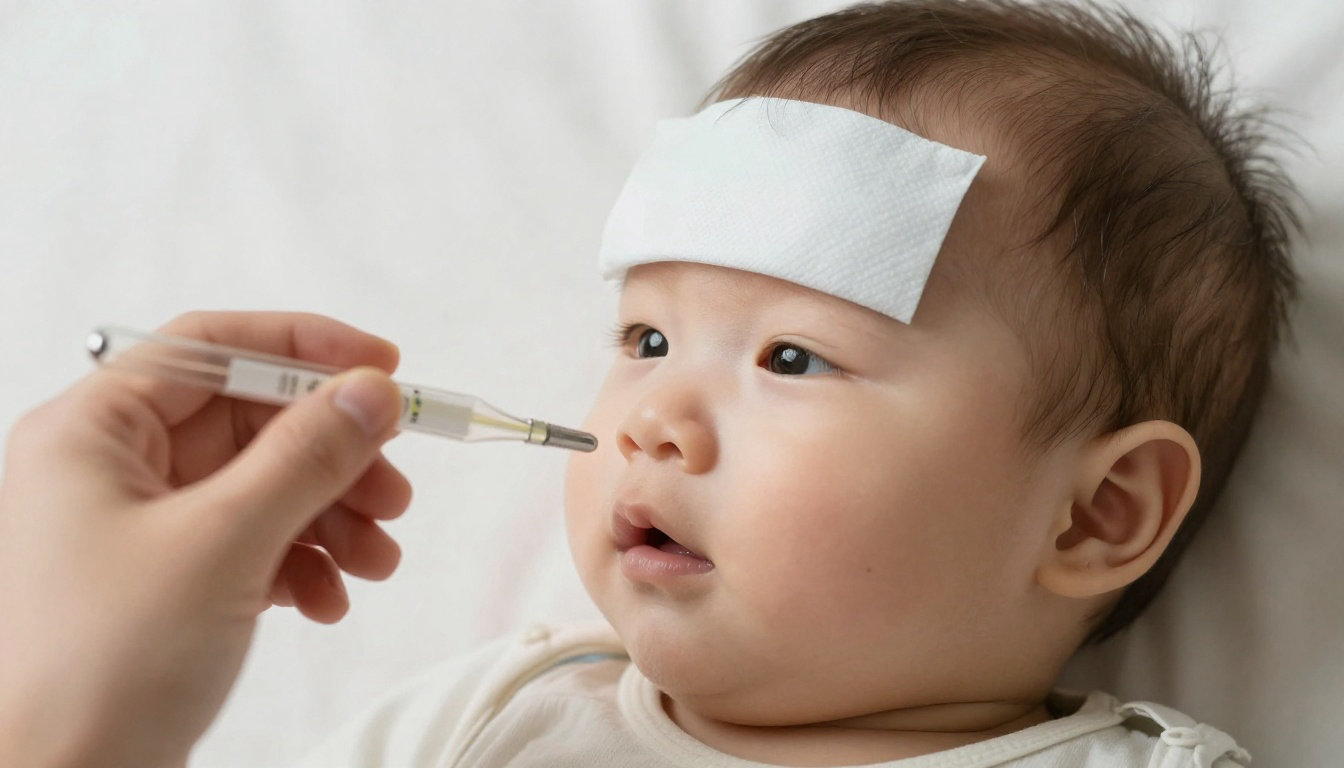
Monitor your baby's general condition. Their overall behavior remains the best indicator of health.
Dangerous mistakes and objects to avoid
Absolutely avoid amber or hazelnut necklaces. They pose a real risk of strangulation or choking from ingesting beads. Your child's safety must always come before beliefs.
Anesthetic gels are often discouraged because they can numb the throat. This can hinder swallowing. Always prefer mechanically or medically validated natural solutions.
Consult our guide to choosing a co-sleeper crib to monitor baby safely during the night.
Identify swollen gums and hypersalivation to act quickly. Use cold or circular massages to relieve pain related to teething, while remaining vigilant for high fever. Your benevolent presence remains the best remedy for finding serene nights and a radiant smile.
FAQ
At what age will my baby's first teeth come in?
Generally, the first baby teeth emerge around 6 months of age, often starting with the lower incisors. However, don't worry if your little one is early or a little late: some babies are born with a tooth, while others wait until 14 months for their first toothless smile.
It's a process that takes time, and each child develops at their own pace. By the age of 3, your child's dentition will normally be complete with all 20 primary teeth in place.
How to tell if it's teething or an ear infection?
This is a question we often ask ourselves when a baby cries a lot. During teething, you'll primarily notice abundant salivation, red cheeks, and an irresistible need to chew on everything. The gum may also be swollen or have a small bluish bubble.
An ear infection, on the other hand, often causes more intense crying, especially when the baby is lying down because the pressure in the ear increases. If your little one has a high fever (over 38°C), if they pull at their ear persistently, or if they have other symptoms like a cough or runny nose, it's likely an infection.
Can teething cause a fever?
Teething can cause a slight increase in body temperature, but medically, it does not exceed 37.8°C. This is referred to as a "low-grade fever" rather than a true fever.
If the thermometer reads over 38°C, the cause is most likely elsewhere, such as a minor virus or an ear infection. At the age of first teeth, a baby's immune defenses decrease, and they put everything in their mouth, making them more vulnerable to common infections.
What are the best ways to relieve baby's pain?
The most important thing is to offer lots of cuddles to reassure them. To soothe their gums, you can gently massage them with a clean finger or a washcloth soaked in cold water. Cold is a valuable ally: a rubber teething ring placed in the refrigerator (but never the freezer) will work wonders.
If the pain seems too severe, you can seek advice on giving acetaminophen, strictly adhering to the dosages. Also, keep the skin on their face well hydrated, as saliva can eventually irritate their delicate cheeks and chin.
Why should amber necklaces and teething gels be avoided?
Your baby's safety is the priority. Necklaces (amber or hazelnut) are dangerous because they pose real risks of strangulation or choking if a bead detaches. It is preferable to opt for safe and medically validated methods.
As for gels containing benzocaine, they are not recommended for children under 2 years old. They can cause a rare but serious complication called methemoglobinemia, which reduces oxygen in the blood. Moreover, these gels can numb the baby's throat and hinder swallowing. It's better to stick to teething rings and manual massages.


